REVIEW · VERONA
Verona: Sightseeing and Heritage Tour
Book on GetYourGuide →Operated by Z V SRL · Bookable on GetYourGuide
Verona clicks into focus fast.
This short, well-paced visit mixes Shakespearean drama with Roman stonework, so you get big-story moments without spending the whole day in transit. I like that the tour doesn’t just point at sights—it explains what you’re looking at, so the city feels legible. Two things I’d put at the top: the chance to call for your Romeo from Juliet’s balcony and the view of the Arena, still used for major summer performances. The main drawback to consider is practical: you’ll need to get to the meeting spot on your own, and the schedule can shift due to organization conditions.
You’re also dealing with a walking-style route, and it’s not suitable for wheelchair users. If you’re sensitive to meeting-point confusion, do yourself a favor: double-check where you’ll stand before the guide arrives, since there have been past mix-ups that cost time.
In This Review
- Key Highlights You’ll Remember
- Two Hours in Verona: A Fast Route to Roman and Shakespeare Verona
- Meeting at Arsenale Fountain: No Hotel Pickup, Just a Clear Starting Spot
- Juliet’s House Balcony: Calling for Your Romeo in Plain Sight
- Verona Arena: Roman Engineering That Still Hosts Summer Performances
- The Guide’s Job: Making Streets Feel Understandable
- Free Time in Medieval Lanes and a Renaissance Palace
- Price and Value: Why $34 Can Be a Smart Deal in Verona
- Practical Tips That Make This Tour Smoother
- Who Should Book This Verona Tour (and Who Should Skip It)
- Should You Book the Verona Sightseeing and Heritage Tour?
- FAQ
- Where is the meeting point for the Verona tour?
- How long is the tour?
- Is the tour guided, and in what language?
- What’s included in the price?
- What is not included?
- Do I need to buy Arena tickets separately?
- What should I bring?
- Is the tour suitable for wheelchair users?
Key Highlights You’ll Remember
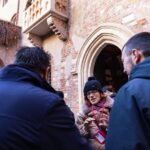
- Call for your Romeo from Juliet’s House balcony
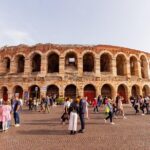
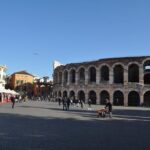
- Verona Arena entrance with Roman-era perspective
- Well-preserved Roman amphitheater you can actually picture in use
- Guide-led context so the streets make sense as history
- Free time for medieval lanes and a Renaissance palace in the historic center
Two Hours in Verona: A Fast Route to Roman and Shakespeare Verona
A two-hour tour in Verona is the sweet spot if you’re on a tight schedule but still want a guided “Aha” moment. You’ll cover Verona’s headline inspirations—Juliet’s balcony and the Roman Arena—then finish with time to wander the older heart of the city at your own pace.
What I like about this format is that it respects reality. Verona isn’t huge, but the historic center is easy to misread if you’re just following instincts. With a guide, you can look at a wall or a street corner and understand why it matters. Without that, you might still enjoy the sights, but the city can feel like a set of pretty backdrops.
This is also a practical choice for first-time visitors. You get a concentrated intro to what makes Verona Verona: romance tourism on one side, Roman engineering on the other, and medieval/renaissance streets tying it all together.
You can also read our reviews of more historical tours in Verona
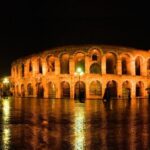
Meeting at Arsenale Fountain: No Hotel Pickup, Just a Clear Starting Spot
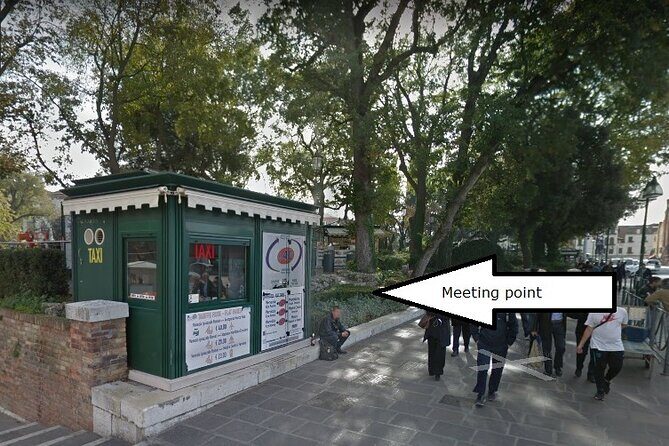
The meeting point is in front of the Arsenale fountain, at the bus on the river side. There’s no hotel pickup, so you’ll need to plan your own route to get there on time.
Here’s the key practical move: arrive a bit early and confirm you’re at the right side of the fountain area for the bus stop by the river. Past experiences with this kind of tour can go wrong when meeting points are misunderstood, and when that happens, you lose time that you can’t get back. So: give yourself a small buffer, and keep your phone handy in case you need help quickly.
Also note that tour timing can change based on organization conditions. That means you should keep the rest of your day flexible, especially if you’re connecting to another plan right after the tour.
Juliet’s House Balcony: Calling for Your Romeo in Plain Sight
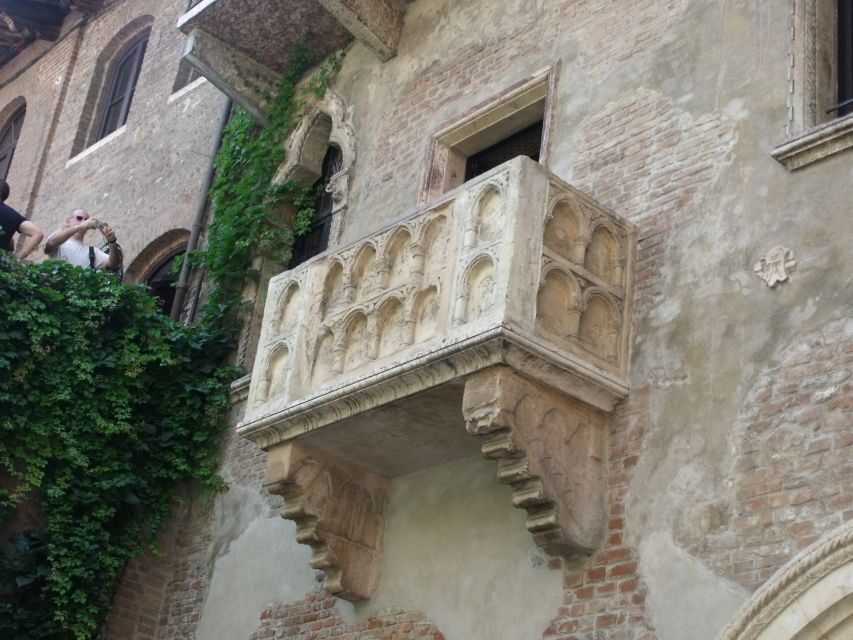
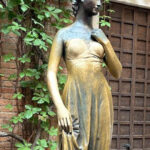
If you’ve heard the story of Romeo and Juliet, this stop is why people come to Verona. The tour includes the signature moment: call for your Romeo from the balcony of Juliet’s House.
Even if you already know the play, this works as more than a photo op. The balcony is a physical stage. You feel the scale of the view and the closeness of the street below. That’s what makes the Shakespeare connection land. It’s not just a reference—it’s a real location in a real city.
One thing to keep in mind: this is a popular theme stop. Treat it like a moment you want to savor, not a race. Take your time standing where the balcony line gives you the right perspective, then use your camera thoughtfully.
If you’re traveling with teens or adults who like stories, this stop tends to click instantly. If you’re not into Shakespeare, you can still enjoy it as part of Verona’s modern identity—how the city turns literature into lived place.
Verona Arena: Roman Engineering That Still Hosts Summer Performances
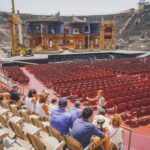
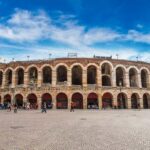
Next comes the big Roman hit: the well-preserved Verona Arena. The tour includes entrance to the Roman ancient arena, so you don’t have to juggle tickets in the middle of your sightseeing.
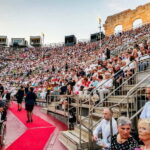
Why this stop is worth your time is simple: an ancient amphitheater is one of the only places where scale is obvious immediately. You can look at seating tiers and understand how the Romans built for crowds, sightlines, and acoustics. And Verona Arena isn’t a dead monument. It’s still used for performances during the summer, including concerts and operas.
That living use matters. It changes the way you interpret what you see. You’re not only looking at stone—you’re thinking about sound, rhythm, and how the space would feel when it’s full. Even in a short visit, the Arena gives you the most “Roman” feeling of the whole tour.
I also appreciate that the guide ties it back to your surroundings rather than treating it like a standalone landmark. When you understand how the Arena relates to the city around it, your photos stop looking random.
The Guide’s Job: Making Streets Feel Understandable
The tour’s real value is the human layer: an English-speaking guide who explains the surroundings and their history. You’re not just walking from A to B. You’re learning what to notice as you go.
From what I’ve gathered about guide quality on this type of tour, clear, strong presentation style is a big deal. A guide who speaks clearly helps you keep up without constantly asking others to repeat themselves. And when the guide is personable, the stops feel less like a checklist and more like a guided walk with context.
You’ll benefit most if you like to know what you’re looking at—why a building style appears where it does, how the city’s layers overlap, and what era you’re actually standing in. Verona is a layered city, and the guide is what turns the layers into something you can sort out.
One caution: if your priority is strict timing down to the minute, remember that the tour can be affected by organization conditions. That’s not unusual for walking tours in older city centers, but it’s a reason to avoid tight, non-flexible connections right afterward.
Free Time in Medieval Lanes and a Renaissance Palace
After the main guided highlights, you get free time to explore. The historic center includes narrow medieval streets and a Renaissance palace you can visit as part of the area experience.
This is where you control the pace. With guided structure early on, your free time feels more purposeful, not wandering-without-a-plan. You’ll know what to look for, and you can decide how long you want to linger on the street corners that catch your eye.
A practical tip: treat this time like a mini mission. Pick one direction to walk, stay aware of where you might want photos, and don’t over-optimize. Verona rewards slow attention—doorways, street angles, small changes in architecture—things that a tight schedule often forces you to skip.
If you’re the kind of traveler who likes to step into quieter neighborhoods within easy reach of the main sights, this free chunk is a good fit. If you prefer only “major monuments,” you may want to use your free time to return to the Arena area viewpoints or focus on the historic lanes nearest your route.
Price and Value: Why $34 Can Be a Smart Deal in Verona
At $34 per person for a 2-hour guided tour, the value hinges on what’s included. Here, you’re getting:
- a guide in English
- guided sightseeing of key Verona locations
- entrance to the Roman ancient arena
That entrance ticket is an anchor. If you’d otherwise pay separately, the pricing starts making sense quickly, especially for a short window in town. And the guide time matters too. Two hours is not long, but it’s long enough to make sense of several major landmarks when the narration is good.
The tour also avoids common hassles: there’s no hotel pickup, but you have a clear meeting point, and once you’re set, the flow is organized for you. You’ll still need to handle your own food, drinks, and movement between points, because those aren’t included.
If you’re traveling during peak season or you simply don’t want to plan the logistics of ticketing and route mapping, this price usually feels fair for the mix you get.
Practical Tips That Make This Tour Smoother
Bring a camera—that’s explicitly recommended, and you’ll want it for both the Shakespeare moment and the Roman setting. Also, keep in mind that pets are not allowed, so plan accordingly if you’re traveling with an animal.
Wear for walking. Even in 2 hours, you’re in the historic center where surfaces can vary and you’ll likely be moving between viewpoints. If you tend to get sore feet quickly, this is one of those tours where good shoes pay off.
And because food and drinks aren’t included, don’t let hunger turn your free time into stress. Plan either a snack before you go or a stop right after, so you can enjoy the medieval lanes without feeling rushed.
Who Should Book This Verona Tour (and Who Should Skip It)
This experience makes the most sense if you:
- want a short, guided introduction to Verona’s top story points
- love the combination of literature sites and Roman ruins
- prefer not to figure out everything solo in a layered historic center
- like having time reserved for unstructured walking afterward
It’s less suitable if:
- you need wheelchair access (it’s not suitable for wheelchair users)
- you expect hotel pickup or an ultra-private experience (you’ll meet at the designated spot and move as a group)
- you want the tour to run like a perfectly timed train. Since times can shift due to organization conditions, keep some buffer in your day
Also, if you’re someone who needs a rock-solid, same-spot meeting without any uncertainty, be extra cautious about arriving early and confirming you’re at the right place by the river bus side.
Should You Book the Verona Sightseeing and Heritage Tour?
I’d book it if you want a high-impact Verona hit in two hours and you enjoy learning as you look. The combination of Juliet’s balcony moment and the Verona Arena entrance gives you two of the city’s most recognizable identities in one outing, plus guided context that helps you understand what you’re seeing.
Book it with one clear mindset: this is a straightforward walking sightseeing tour, not a long museum-style day. If you can handle meeting up yourself at the fountain and you’re flexible on timing, it’s a solid value at $34—especially because the Arena entry is included.
Skip it if mobility is a concern, or if you’re planning back-to-back commitments right after, because organization conditions can affect timing.
FAQ
Where is the meeting point for the Verona tour?
You meet in front of the Arsenale fountain, at the bus on the river side.
How long is the tour?
The duration is 2 hours.
Is the tour guided, and in what language?
Yes. It includes an English speaking guide.
What’s included in the price?
The price includes a guided tour of Verona, an English speaking guide, and entrance to the Roman ancient arena.
What is not included?
Food and drinks are not included, and there is no hotel pick-up.
Do I need to buy Arena tickets separately?
No. Arena entrance is included with the tour.
What should I bring?
Bring a camera.
Is the tour suitable for wheelchair users?
No. It is not suitable for wheelchair users. Pets are also not allowed.