REVIEW · VERONA
Verona Small Group Guided Walking Tour: Romeo & Juliet and More
Book on Viator →Operated by LivTours · Bookable on Viator
Verona hits different with a good guide. This small-group Verona walking tour starts at Piazza Bra and threads together big landmarks in a tight, about-2-hour loop through UNESCO-listed streets. You get the Roman-side sights and the romance at the same time, plus a local expert who explains why Verona earns the nickname City of Love, not just where to stand for photos.
I love the size of the group: max six people means you can ask questions and actually hear the guide. I also like the mix of stops, especially the way you’re shown the Arena di Verona area alongside the Shakespeare connection—Juliet’s balcony—so the city feels whole, not pieced together.
One possible drawback is time. At around two hours, you’ll see a lot but you won’t linger long at any single spot, so bring comfy shoes and keep your expectations realistic.
In This Review
- Key highlights worth showing up for
- Piazza Bra: Your Easy Start Line for Verona’s Big Sights
- Arena di Verona and the Ancient Roman Theatre: Big Roman Energy
- Juliet’s Balcony and the City of Love Explanation That Adds Meaning
- Ponte Pietra and the Adige River: Verona’s Oldest Bridge Feel
- UNESCO Verona on Foot: How the Winding Streets Work
- Small Group Advantage: What Six Travelers Changes
- Timing and Your 2-Hour Plan: What You’ll See, and What You Won’t
- Price Check: Is $188.09 Worth It?
- Who This Tour Suits Best (And Who Might Want to Skip It)
- Practical Tips for Getting More From the Walk
- Book It or Pass? My Take
- FAQ
- How long is the Verona small group guided walking tour?
- Where does the tour start?
- When does the tour meet?
- What group size should I expect?
- What language is the tour offered in?
- Is there a mobile ticket?
- What are the main places you will see?
- Is admission included?
- Can I cancel for a refund?
- Are service animals allowed?
Key highlights worth showing up for
- Max six people for a more personal, question-friendly walk
- Roman Arena + Ancient Roman Theatre stops in one route
- Juliet’s balcony viewed through the story fans actually know
- Ponte Pietra and the Adige River for a classic old-Verona scene
- English-speaking local guide with city context, not just landmarks
- Mobile ticket for easy check-in on the day
Piazza Bra: Your Easy Start Line for Verona’s Big Sights
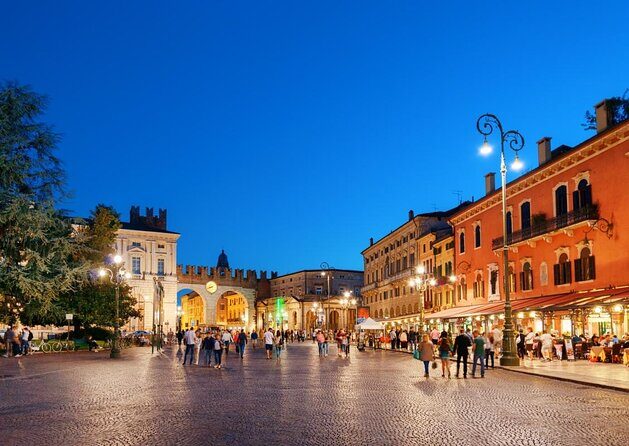
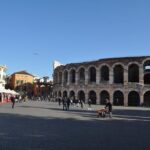
Piazza Bra is one of those places that instantly gives you bearings. It’s wide open, built for crowds, and surrounded by major Verona landmarks, so you get a sense of scale right away. This matters on a walking tour because Verona is famously layered—Roman-era bones, medieval streets, and storybook corners all close together.
Starting here also helps you understand the route the guide takes. As you move from the square into the surrounding streets, the walk feels like a connected story rather than random sightseeing. You’ll get the key names and locations you need—Arena di Verona, the Ponte Pietra area, and the Juliet-related sights—so later, when you wander on your own, you’ll know what you’re looking at.
If you like learning as you walk, this is a good format. The guide isn’t just calling out views; they’re explaining how Verona became the Verona people brag about—romance on the surface, history underneath. And because the group is small, you’re not shouting to be heard.
You can also read our reviews of more walking tours in Verona

Arena di Verona and the Ancient Roman Theatre: Big Roman Energy
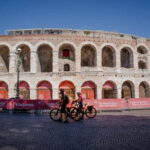
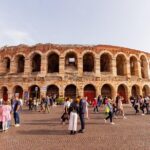
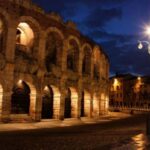
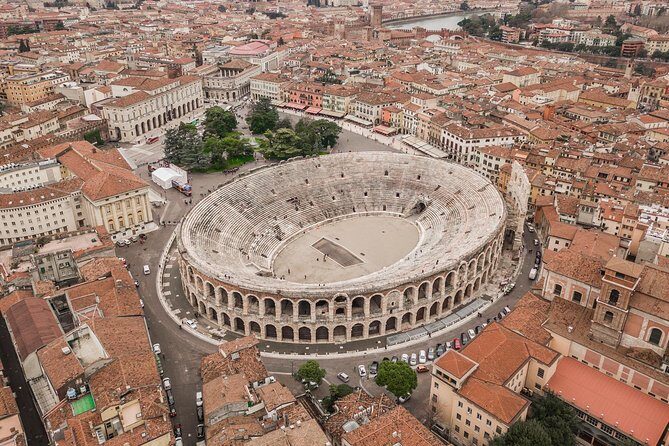
The Arena di Verona is hard to forget. Even if you don’t know a lot about Roman entertainment, you can feel the size and confidence of the place. On this tour, you’ll see the arena and also the Ancient Roman Theatre, which helps you connect the dots between different uses of Roman performance spaces.
What I find useful is how the guide frames these structures. The Arena isn’t just a monument—it’s a reminder that Verona mattered in Roman times, not only as a pretty stop later on. When you’re standing near the buildings, you start to grasp why people called this area important enough to build monumental public spaces.
Practical note: this is a walking tour, so some viewing will be from public areas with foot traffic. Wear shoes that handle uneven stone and the kind of stops where you briefly pause, point, listen, and keep moving. The reward is worth it: Roman Verona looks best when you’re close enough to notice the details, not when you’re trying to spot it from a distance.
Juliet’s Balcony and the City of Love Explanation That Adds Meaning
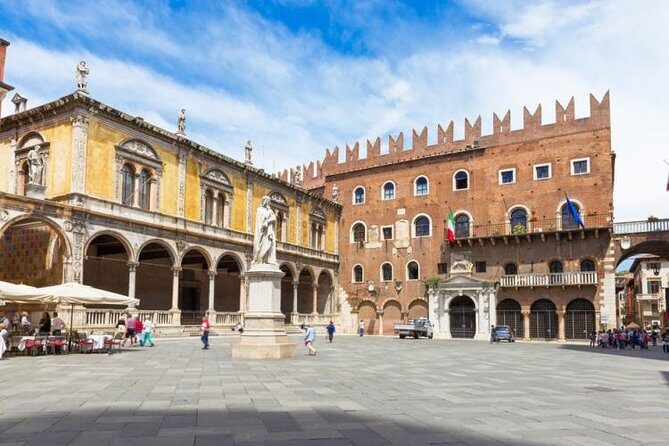
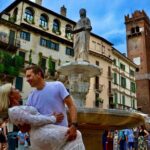
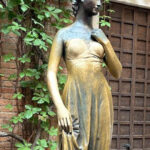
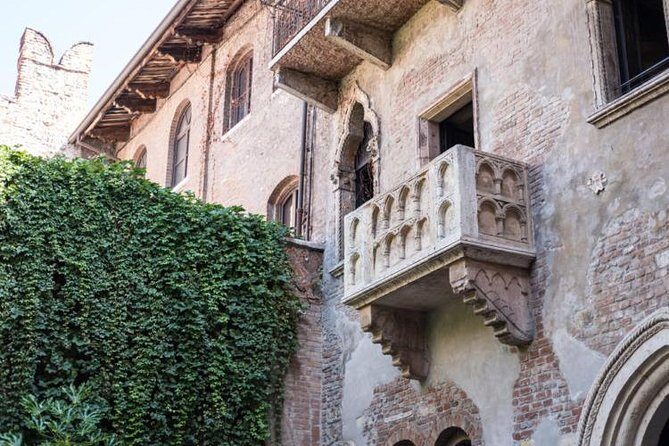
You’re going to see Juliet’s balcony, and the guide’s job is to make it more than a stop on the map. Shakespeare’s Romeo and Juliet is the hook for most people, but Verona is the key idea behind the nickname City of Love. The guide helps you understand how that identity grew and why it sticks so hard.
This is where a guided walk earns its keep. Self-guiding can get you to the balcony. Guidance gets you the background that makes the balcony feel less like a theme-park scene and more like part of a city’s storytelling system.
You’ll also notice something: the romance doesn’t sit in one neat corner. On this walk, the Shakespeare thread is woven through the broader setting—streets, landmarks, and the overall vibe of Verona’s UNESCO zone. That’s why this tour works well if you want both: the legend and the city that created the conditions for legends to thrive.
And yes, you’ll have plenty of photo moments, but the smarter play is to pause during the explanations. That’s when the city clicks.
Ponte Pietra and the Adige River: Verona’s Oldest Bridge Feel
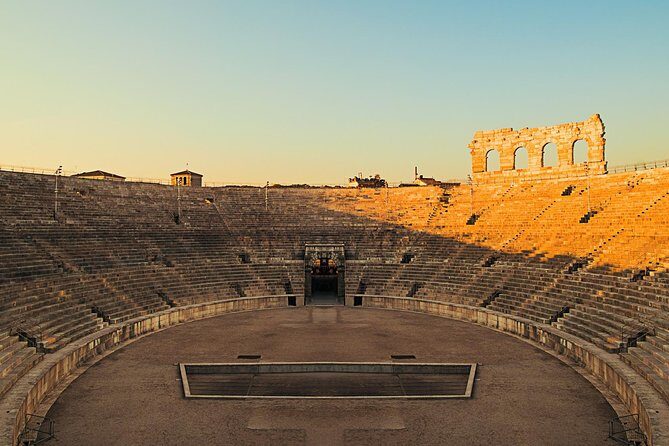
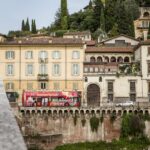
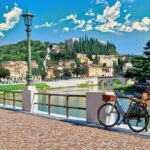
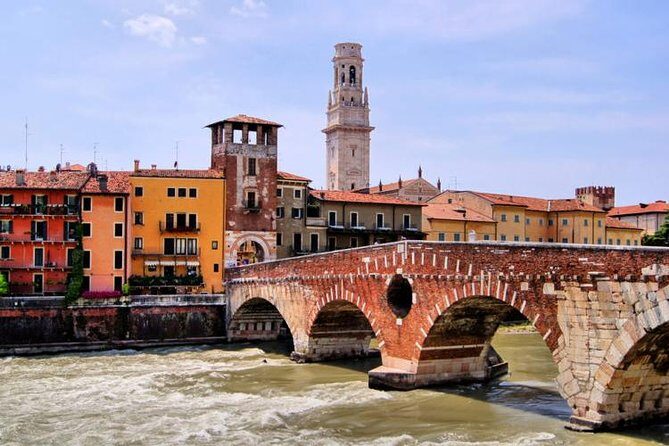
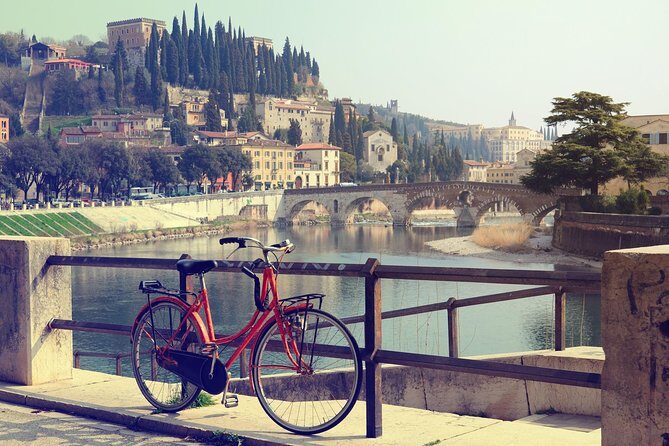
One of the most characterful parts of Verona is Ponte Pietra, the city’s oldest bridge. Seeing it as part of a guided walk helps because you’re not just looking at an old structure—you’re placed within the geography of the area. The guide also points out the Adige River, so the bridge doesn’t feel random. It feels necessary.
Rivers shape cities. They influence where people built, where trade moved, and where neighborhoods grew. When you connect the bridge to the river, you start to understand why Verona’s layout looks the way it does and why certain areas feel “older” even when the city around them changes.
This segment also tends to be where you can slow your eyes down. The scene is classic: stone, water, and old streets feeding into the view. If you’re the kind of traveler who likes details—textures, angles, the way buildings frame a river—this is a high payoff moment.
The only caution is timing. Because the tour is about 2 hours and ends back at the start, you’ll likely get a limited window here. You’ll still see it well, but you won’t linger for a long, slow sketch session unless your guide allows extra time.
UNESCO Verona on Foot: How the Winding Streets Work
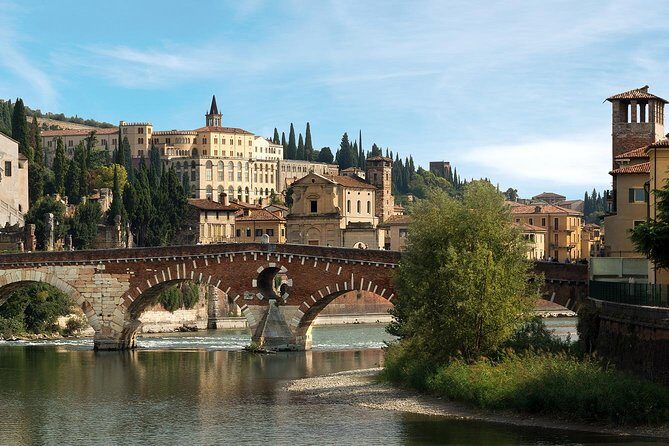
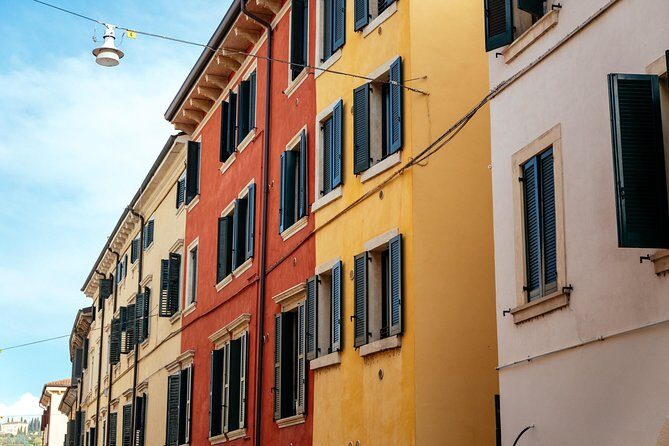
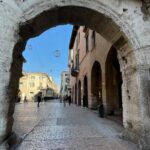
The tour route is built around the feeling of walking through a UNESCO World Heritage site rather than just ticking off individual sights. That means you’re not only moving between landmarks—you’re traveling through the streets that connect them. Verona’s romantic winding roads matter here because they explain the city’s appeal.
This is one of the biggest values of the format: you get to experience the connections. The Roman performance spaces, the Juliet legend site, and the river-and-bridge setting are all close enough to stitch together into a single storyline when you walk it with a guide.
A small group helps again. With fewer people, you spend less time waiting around and more time actually hearing what the guide is saying. You’re also more likely to get answers to specific questions that pop up as you notice buildings, street layouts, and landmark angles.
Also, since the tour ends back at the meeting point, it’s easy to keep your day simple afterward. You’re not stuck on the far side of town with no plan. You can head out for lunch, a slower wander, or a second walk—without fighting your bearings.
You can also read our reviews of more guided tours in Verona



Small Group Advantage: What Six Travelers Changes
When a tour caps at six travelers, the experience feels less like a lecture and more like a guided walk with a conversation rhythm. The guide can stop, reframe, answer questions, and guide attention without having to manage a crowd.
This kind of group size is great for:
- Couples who want romance and context
- Families who appreciate patience and clear explanations
- First-timers who want a quick “map of meaning” for the city
If you care about guide style, it’s worth noting that LivTours has a strong reputation in other cities for friendly, animated guiding and being patient with families. Named examples from their guides include Nico, Carlotta, Romy, Pamela, and Sabrina, praised for making history and culture easier to understand. You shouldn’t assume any specific guide will run your Verona slot—but it does suggest the company prioritizes communication, not just facts.
Timing and Your 2-Hour Plan: What You’ll See, and What You Won’t
This tour runs about 2 hours and starts at 11:00 am, beginning at Piazza Bra and ending back at the meeting point. That’s a strong chunk of time for Verona highlights because the sights are close, but it still means you’ll be moving.
Here’s what that usually looks like in practice:
- Quick orientation at the start square
- Roman landmarks in the same general area for impact
- A shift toward Juliet-themed storytelling
- Then the river-and-bridge atmosphere with Ponte Pietra
- A return loop that keeps you oriented for the rest of your day
What you won’t get is a slow, hour-by-hour museum crawl. If your goal is to stare at stone carvings for an hour at a time, you’ll need extra independent time after the walk. But if your goal is to understand Verona quickly—why it’s famous and what to look for—this duration hits a good middle ground.
Price Check: Is $188.09 Worth It?
$188.09 per person isn’t low. So you should ask: what are you buying besides the landmarks?
You’re paying for:
- A professional local expert guide
- The small-group format (max six)
- A guided route that connects Arena di Verona, Juliet’s balcony, and Ponte Pietra
- English-language interpretation
- A mobile ticket, so you’re not wasting time on paper logistics
In other words, the value isn’t the architecture by itself—it’s the way the guide helps you interpret it. You’re also reducing the risk of wandering in circles or missing the key viewpoints and story connections. If you’re short on time in Verona, or you don’t want to plan a route that makes sense on foot, the price can feel reasonable.
One more note: gratuities aren’t included, so if you want to tip your guide, plan for it in your budget.
Who This Tour Suits Best (And Who Might Want to Skip It)
This tour is best for you if:
- It’s your first time in Verona and you want structure
- You want both Shakespeare romance and Roman-era context
- You prefer small groups and easy communication
- You want a short guided day rather than a big multi-hour schedule
It may feel less ideal if:
- You hate walking or struggle with standing for stretches (it’s described as most travelers can participate, so it’s not an extreme tour, but it is still a walk)
- You’re hoping for long stops at each attraction
- You want totally flexible pacing with no itinerary at all
Practical Tips for Getting More From the Walk
- Wear comfortable, grippy shoes. Verona’s streets and stones can be slick when you least expect it.
- Bring sunglasses if you run sensitive to bright light. Piazza Bra can be open and sunny.
- Have your expectations set: this is a highlight route, not a full-day deep dive into one site.
- If you’re traveling with kids, this kind of guided storytelling often works well because the guide can keep explanations clear and moving, and small groups help the kids stay engaged.
Book It or Pass? My Take
I’d book this tour if you want the strongest Verona highlights in one clean, guided loop—Roman monuments, Juliet’s balcony, and the oldest-bridge moment by the Adige—without spending your vacation time figuring out how to connect it all. The small group size and English guidance are especially worth it if you like asking questions and getting context rather than just snapshots.
Skip it only if you’re the type who prefers to wander without structure and you already know exactly how you want to plan the route yourself.
If you’re in Verona for a short stay and you want the city to make sense fast, this is a solid way to do it.
FAQ
How long is the Verona small group guided walking tour?
It runs for about 2 hours.
Where does the tour start?
The tour starts at Piazza Bra, Verona VR, Italy.
When does the tour meet?
The start time listed is 11:00 am.
What group size should I expect?
This tour is limited to a maximum of 6 travelers.
What language is the tour offered in?
The tour is offered in English.
Is there a mobile ticket?
Yes, the tour includes a mobile ticket.
What are the main places you will see?
You’ll see Piazza Bra, the Arena di Verona, Juliet’s balcony, Pietra Bridge (Ponte Pietra), and you’ll also pass by or see the Ancient Roman Theatre and views tied to the Adige River.
Is admission included?
Admission is listed as free in the tour information.
Can I cancel for a refund?
Yes. Free cancellation is available up to 24 hours in advance for a full refund.
Are service animals allowed?
Yes, service animals are allowed.