Color, paper, and Verona’s mood—ready? This 3-hour private watercolor experience is built for getting you painting in the open air, not stuck in a classroom. You’ll work with the colors and details of Verona’s atmosphere, and you don’t need any special skill to start. One review summed it up well: the tutor begins by setting you up with the right basics for outdoor watercolor, so you can actually use what you learn right away.
I especially like two things about this setup. First, you get clear instruction from the start: the session kicks off with about 15 minutes of core basics for en plein air painting—how to think about paints, paper, and materials. Second, the teaching is flexible: it’s tailored to your level, so beginners aren’t left behind and people who already paint can still improve.
One drawback to consider: this experience requires good weather. If it’s not workable outside, the plan shifts to a different date or a full refund.
In This Review
- Key Points at a Glance
- Painting in Verona: What the 3 Hours Actually Feel Like
- Starting at Ponte Pietra: Getting Your Bearings Fast
- The Tutor’s Watercolor Game Plan: From Supplies to First Wash
- En Plein Air Reality Check: Color, Light, and Timing
- Private Time Means It Gets Tailored to You
- Weather Check and What to Bring (Without Overthinking)
- Price and Value: Does $78.27 Make Sense?
- Who This Verona Watercolor Session Suits Best
- Final Call: Should You Book This?
- FAQ
- What time does the 3-hour watercolor experience start?
- Where do we meet for the watercolor session?
- How long is the experience?
- Is this experience private?
- What language is the experience offered in?
- Do I need good weather to paint outdoors?
- Can I cancel for a full refund?
Key Points at a Glance
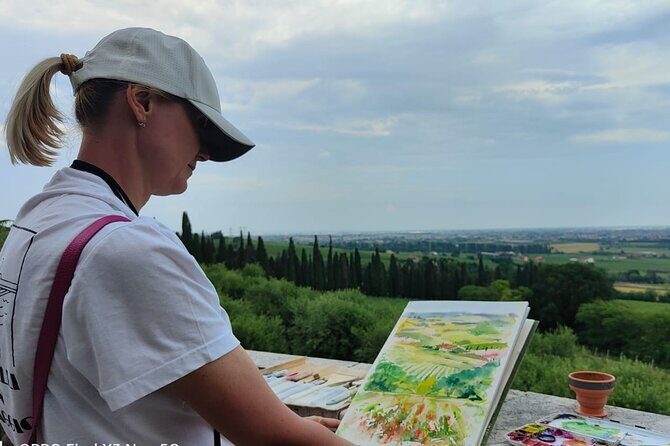
- En plein air start-up basics: about 15 minutes of orientation before you paint.
- Beginner-friendly: no art talent required, and instruction supports any starting point.
- Private format: your group gets focused attention and adjustments to your pace.
- Sketch-first approach: you learn the principles of sketching before the first washes.
- Weather-dependent: plan for outdoors, so conditions matter.
Painting in Verona: What the 3 Hours Actually Feel Like
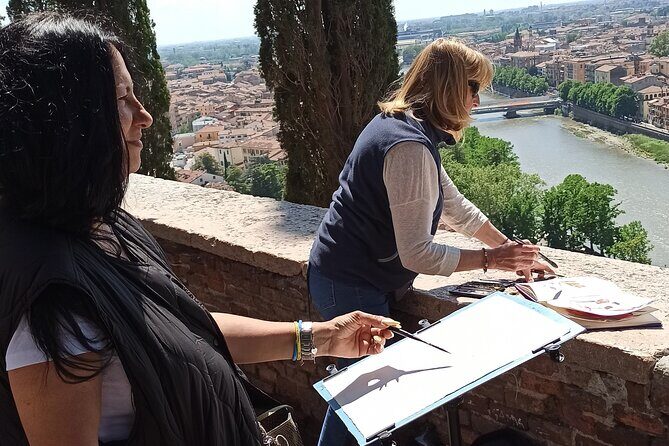
A lot of art experiences sound great on paper, then you show up and realize you’re mostly watching. This one is different because the time is short on purpose. Three hours is long enough to learn the fundamentals, make progress, and finish something you’ll feel proud of. It’s also short enough that you’re not stuck guessing for half a day.
Here’s the flow I think you should expect. The tutor starts with fundamentals so you’re not wrestling with supplies while trying to paint. Then you move into sketching principles, which matters more than many first-timers realize. When you get the sketch right, the watercolor layers go easier. After that, you’re painting—using outdoor light and color cues from the Verona you’re looking at.
The “intense but not too demanding” promise makes sense here. You’ll get hands-on time, but you’re not expected to master watercolor technique from scratch in one session. Instead, the goal is practical improvement: better control, better choices, and a stronger first attempt at painting outdoors.
You can also read our reviews of more private tours in Verona

Starting at Ponte Pietra: Getting Your Bearings Fast
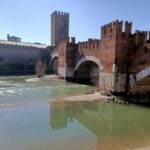
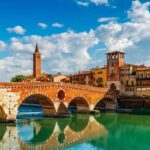
You meet at Ponte Pietra (Ponte Pietra, 37121 Verona) and the session begins at 10:00 am. That’s a smart anchor point. It’s a real Verona starting line, not a “meet somewhere convenient and good luck” situation. It also keeps the experience grounded: you’re painting from a place that feels like the city, not a set.
Because this is an outdoor watercolor setup, your early minutes matter. Even if you’re confident, the first step is to get your bearings: choose what to include, find a workable angle, and decide how much you want to capture. With this format, you’re not expected to paint the entire city in miniature. You’re learning how to select what matters and turn it into a scene using watercolor.
One practical tip: arrive a few minutes early so you’re not rushed into setup. Watercolor is picky about timing, and the tutor will likely want you ready with materials before instruction ramps up. Also, wear something you can move in—once you start sketching and painting outdoors, you’ll be leaning, reaching, and adjusting your position often.
The Tutor’s Watercolor Game Plan: From Supplies to First Wash
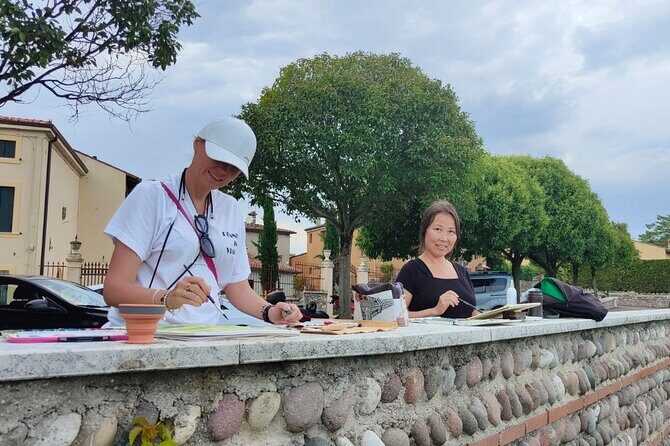
The single most praised aspect of this experience is the coaching style. The tutor spends roughly the first 15 minutes on basics for en plein air painting. That detail matters. If you’ve ever watched someone paint outdoors and thought, I have no idea what order they’re doing things in, this is exactly the fix.
Those early basics typically cover:
- How to handle paints and paper for outdoor work
- What to watch for when painting from observation (not just from imagination)
- How to approach sketching as a foundation
Then you move into sketching principles. This is huge for beginners. A lot of first attempts fail because people start painting without a solid drawing. Watercolor can forgive mistakes, but it can also highlight weak shapes when the pigment spreads.
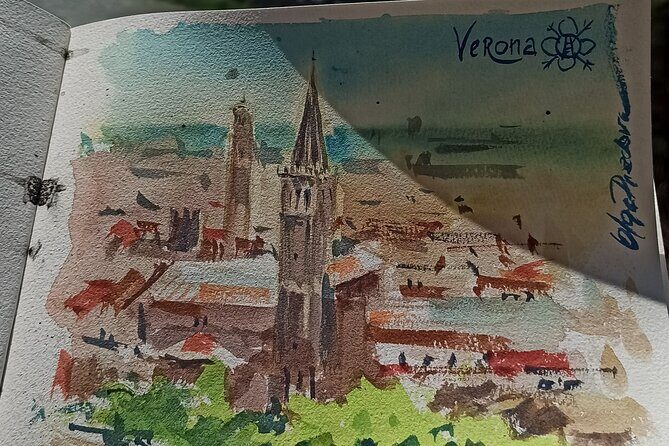
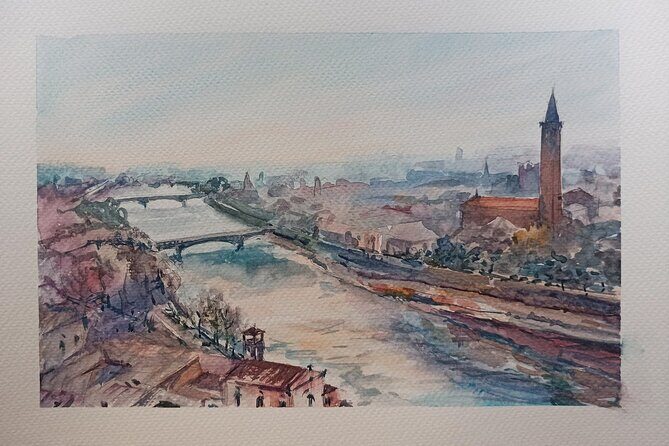
After sketching, you shift into painting. The tutor’s job is to guide you through the steps so you don’t just dump color on paper. Instead, you learn how to build a look that resembles what you’re seeing—while still working within watercolor’s quirks. Expect a steady pace and adjustments. The instruction is described as accessible for any level, meaning you should feel comfortable asking questions and moving at a rhythm that works for you.
En Plein Air Reality Check: Color, Light, and Timing
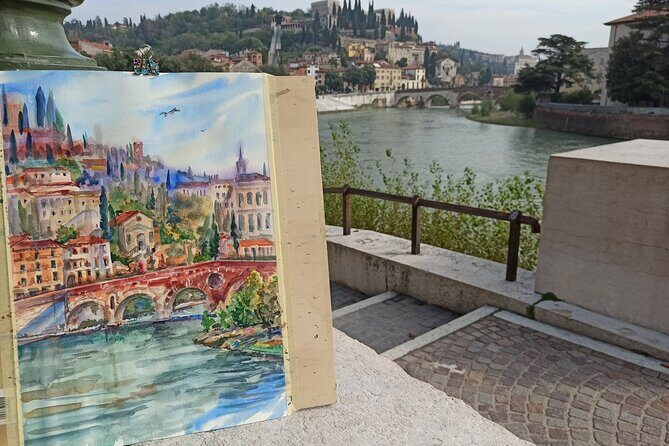
Painting outdoors isn’t just a scenic bonus. It’s part of the lesson. Verona’s light changes quickly, and watercolor responds fast. That’s why the experience focuses on practical decisions rather than abstract technique.
Here’s what this teaches you in plain terms:
- You learn how to simplify what you see so it fits the medium.
- You learn how to plan layers instead of painting everything at once.
- You learn to work with what outdoor conditions allow.
If you’re new to watercolor, you’ll likely notice that outdoor painting forces good habits. You’ll pay attention to paper behavior (how it absorbs and where the pigment blooms). You’ll also start thinking about when to add darker values versus when to let lighter areas breathe. Even if you don’t call it “value” or “contrast,” your eye will start making those choices naturally once you see the tutor demonstrate the sequence.
If you already paint, this session can still help because it’s coaching tied to real observation instead of theory. You’re not just making art—you’re learning how to make art outdoors, which is a different challenge.
Private Time Means It Gets Tailored to You
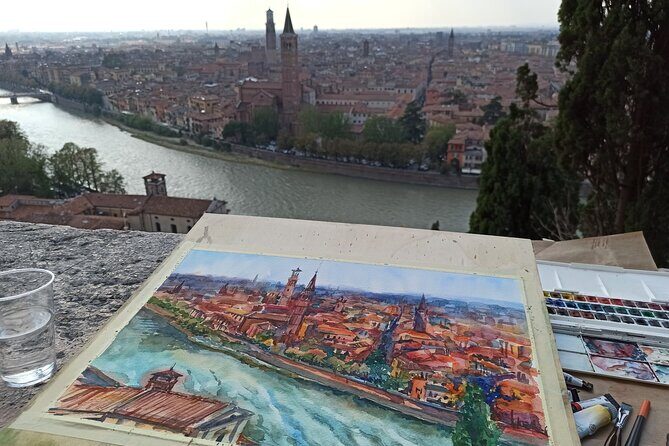
This is a private experience, meaning only your group participates. That changes the whole vibe. In a group class, you often get one-size-fits-all instruction while you wait for your turn. Here, you’re more likely to get direct feedback while you’re in the moment—when a brushstroke is still fresh in your mind and you can correct what you see.
The coaching is also described as tailored to your level. That’s important because watercolor skill is not one skill. It’s setup, sketching, color mixing, timing, and patience. Beginners often need help with basics like how to start. Intermediate painters may need help with refining steps, controlling edges, or improving how they translate a scene onto paper.
In practice, private teaching means you can ask simple questions without the social pressure of a crowded room. Want to slow down? Want to focus on sketching first? Want help choosing colors? This format gives you room to steer your session toward your needs.
You can also read our reviews of more tours and experiences in Verona
Weather Check and What to Bring (Without Overthinking)
This experience requires good weather. If conditions are poor, the activity may be canceled and you’ll be offered a different date or a full refund. Since it’s outdoors from the Ponte Pietra meeting point area, plan like weather matters—because it does.
What should you bring? The tour data doesn’t list materials, so I can’t promise what’s provided. But you can show up prepared for outdoor painting comfort:
- Sunscreen and a hat (if it’s sunny)
- Water so you don’t get dehydrated mid-session
- A light layer in case Verona feels cooler than you expect
- Comfortable shoes for standing and shifting your position
Also, if you’re sensitive to wind or sun, think about shade. Watercolor paper can be annoying when it’s fluttering, and the faster you can get your station stable, the faster you can paint.
If you’re the kind of traveler who hates carrying “art stuff,” good news: the point of the session is coaching and structure. Your job is to show up and learn the steps. You don’t need to pack a whole workshop.
Price and Value: Does $78.27 Make Sense?
At $78.27 per person for about three hours, this isn’t a bargain-basement activity. But it also isn’t overpriced when you look at what you get: private, English instruction, and hands-on teaching focused on how to paint outdoors.
The value is in the coaching quality and the limited time. You’re paying for:
- Personalized guidance (private format)
- A clear sequence of instruction (the “basics first” approach)
- Practical improvement for watercolor and sketching skills
- An experience that ends back at the meeting point, keeping things simple
For me, the cost makes sense if you want more than a souvenir photo. If you’d rather wander independently with no structured instruction, a self-guided walk is cheaper. But if you want to learn a real skill step-by-step—especially with beginner-friendly support—this is the kind of activity that can be worth the money.
And because it’s booked an average of 38 days in advance, it suggests many people treat it like a “worth planning for” experience rather than a last-minute filler.
Who This Verona Watercolor Session Suits Best
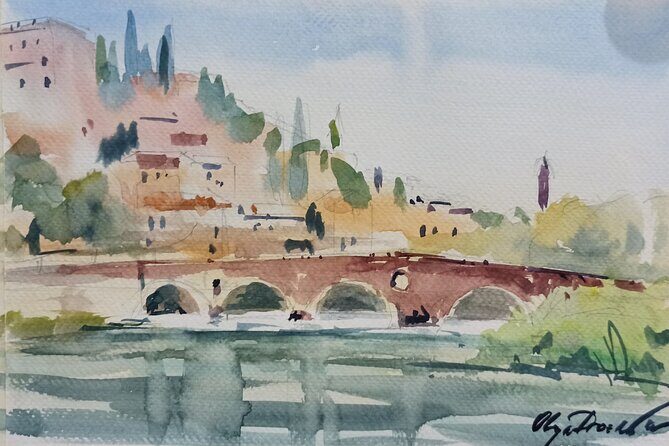
This experience is ideal if you fall into any of these groups:
- First-timers who want a calm, structured start. You won’t be graded. You’ll learn what to do first.
- Beginners with curiosity who don’t know watercolor mechanics yet. The early basics and sketching focus help you avoid common beginner traps.
- People who already paint and want outdoor guidance. Painting outdoors is a different sport than painting indoors, and coaching helps you adapt.
- Anyone who wants a Verona keepsake that’s personal. A finished watercolor feels different from a postcard.
It might be less ideal if you’re looking for a heavy sightseeing program. This isn’t a walking tour of monuments with lots of history stops. It’s about using the Verona you’re in to create a painting—so if you want mostly facts and museum time, pick a different kind of activity.
Final Call: Should You Book This?
Book it if you want hands-on creativity with real structure. The biggest win is the tutor’s start-from-the-basics approach—especially the opening instruction that covers en plein air essentials, then moves into sketching principles and painting. That sequence is what makes it work for beginners, and it’s what gives more experienced artists a chance to refine technique.
Don’t book it if you’re traveling at a time when you’re likely to get stuck indoors, because the session needs good weather. If conditions are shaky, plan for the possibility of a different date.
If you want a high-quality Verona experience that’s also genuinely useful—something you carry home as skill, not just a memory—this is a strong choice.
FAQ
What time does the 3-hour watercolor experience start?
It starts at 10:00 am in Verona, Italy.
Where do we meet for the watercolor session?
The meeting point is Ponte Pietra, 37121 Verona, VR, Italy.
How long is the experience?
The experience lasts about 3 hours.
Is this experience private?
Yes. It’s private, and only your group will participate.
What language is the experience offered in?
The experience is offered in English.
Do I need good weather to paint outdoors?
Yes. The experience requires good weather. If it’s canceled due to poor weather, you’ll be offered a different date or a full refund.
Can I cancel for a full refund?
Yes. You can cancel up to 24 hours in advance of the experience for a full refund. Cancellation cut-off is based on local time in Verona.