REVIEW · VERONA
Cesarine: Pasta & Tiramisu Class at Local’s Home in Verona
Book on Viator →Operated by Cesarine: Cooking Class · Bookable on Viator
Verona tastes better when you cook it. This private Cesarine class puts you in a real local home kitchen to learn two pasta recipes and tiramisù, with step-by-step help and a shared meal afterward. I like the home setting because it feels local, not staged. And I like that you’re hands-on, not just watching.
One thing to consider: even though the experience is offered in English, some hosts may use a translator for clarity. That is usually smooth, but it can affect the pace if your host prefers speaking in another language.
In This Review
- Key highlights you will actually feel during the class
- From Verona streets to a real local kitchen
- The welcome moment: how the night gets going
- Cooking the two pasta recipes: hands-on, not hands-off
- Tiramisu: learning the dessert you will want to repeat
- The two-course meal with beverages: you eat what you made
- Why the Cesarine home format beats a big group class
- Price, value, and how to think about paying $174.42
- Who should book this class (and who might not)
- Should you book this pasta and tiramisu class in Verona?
- FAQ
- How long is the Cesarine pasta and tiramisu class?
- Where does the class start and end?
- Is this a private class?
- What recipes will I learn?
- Is the class offered in English?
- Is food and drink included?
- How much does it cost?
- About how far in advance do people book it?
- What is the cancellation policy?
Key highlights you will actually feel during the class
- A private Verona home setting instead of a cooking studio
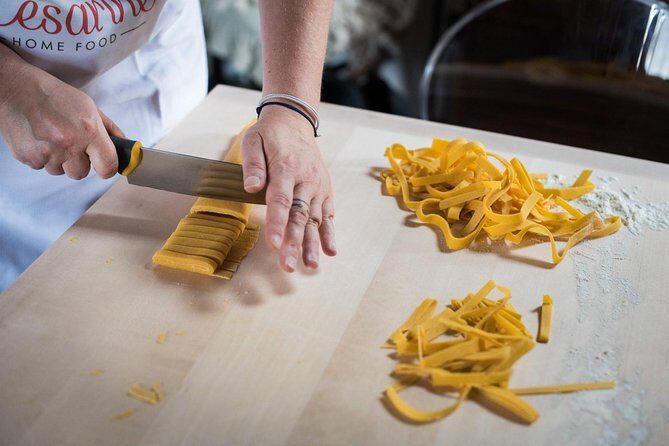
- Two pasta recipes plus tiramisù, taught hands-on at your pace
- A two-course meal with beverages included after cooking
- Your group gets real attention, with lots of chances to participate
- Recipes to take home, plus a small parting gift that has been shared by past hosts
- Optional extras like pantry and garden tours, depending on your host
From Verona streets to a real local kitchen
This experience starts in Verona, near public transportation, and you end right back where you met. That sounds simple, but it matters: it’s easy to fit into a day without a long trek. You also get a mobile ticket, which makes check-in feel low-stress.
The big difference from most cooking classes is the setting. You’re not sitting in a classroom. You’re welcomed into a carefully selected local home, where the host teaches family-style cooking methods. In reviews, the hosts are described as warm and welcoming, and that matches what you’re paying for: personal attention in someone’s actual kitchen.
Timing is also straightforward. You’re in the home for about 3 hours, so you can treat it like a proper evening plan without burning your whole day. If you want something that feels like real Verona life rather than a tourist performance, this is built for that.
You can also read our reviews of more tours and experiences in Verona


The welcome moment: how the night gets going
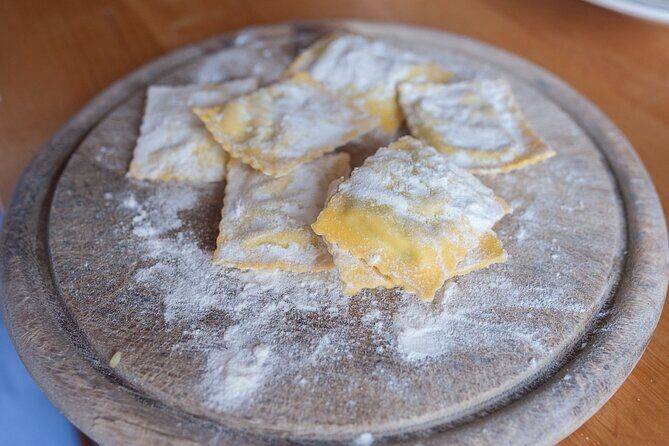
You usually begin with a quick greeting and settle in fast. Hosts don’t just hand you aprons and walk away. In past sessions, the welcome included a small nosh with items like meat and cheese, plus wine, before cooking really starts. That sets the tone: you’re not rushing, and you’re already part of the table.
In reviews, this is also where the host’s teaching style shows up. People mention hosts explaining not only what to do, but why. That matters because pasta is technique-driven, and tiramisù is timing-driven. If you understand the logic, you’ll repeat the dishes later instead of just copying steps.
English support is part of the package. The experience is offered in English, and when a host doesn’t naturally speak English, a translator may be used so you don’t miss key instructions. Either way, you should expect clear guidance and time for questions.
Cooking the two pasta recipes: hands-on, not hands-off
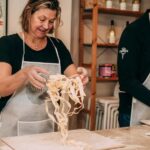
The heart of the class is learning to make two pasta dishes. The schedule is built around you actively participating, not just observing. In several accounts, the hosts keep things organized and give each person opportunities to work at the counter, with patience for questions.
In a home setting, you also get smaller teaching advantages. You can ask the same question twice without feeling rushed. You can pause for a step if you’re unsure. And if you’re the kind of person who needs to see how the dough should look, you’ll usually get that kind of visual guidance because the group is small and the kitchen is set up for teaching.
Some hosts also share extra context around Italian condiments and flavor habits. One review mentioned talk about different pestos and included a tour of the host’s garden and pantry. You might not get every extra, but the takeaway is consistent: this class tends to connect what you’re making to how Italians actually think about ingredients.
Tiramisu: learning the dessert you will want to repeat
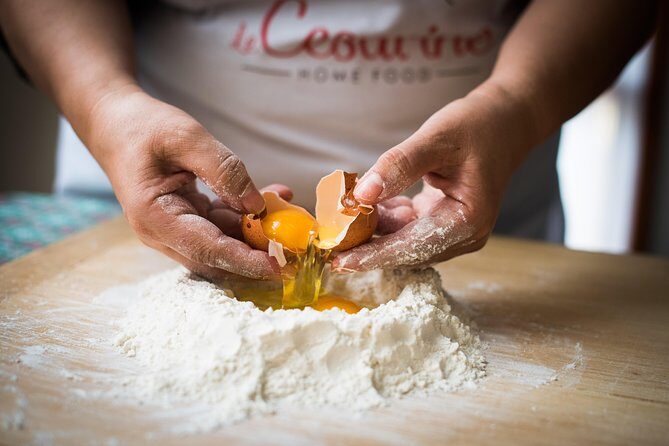
Then you move to tiramisù, the dessert that makes people fall in love with Italian home cooking. Because this is a hands-on class, you get practice with the steps that make tiramisù work, including how to manage timing and texture so it doesn’t turn into a sad, watery mess.
The best teaching moments here are the small corrections. In reviews, guests describe hosts repeating steps, answering in detail, and staying accommodating even when kids were present. That is exactly what you want for dessert. Tiramisù isn’t hard, but it does require a light hand and good timing.
You’ll likely learn a repeatable method, not just the end result. And you should come away with enough confidence to make it again at home, which is the real goal. A cooking class is only worth it if you can bring something back to your kitchen.
The two-course meal with beverages: you eat what you made
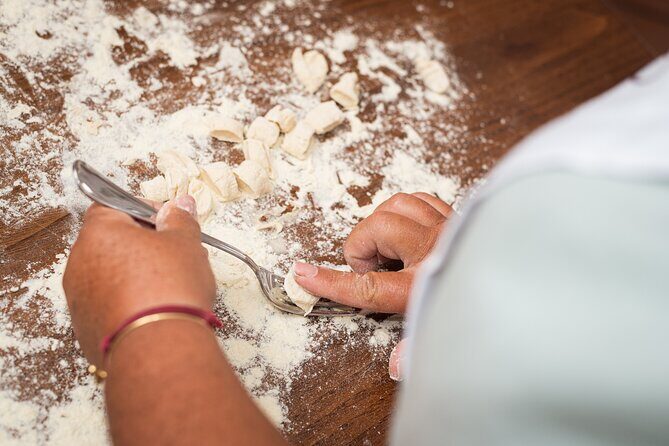
After cooking, you sit down together and enjoy a two-course meal with beverages included. This is a big part of the value. Many classes end the moment the food leaves the counter. Here, the meal is built into the experience, so you can taste your work while it’s still fresh and understand how it’s supposed to land on the plate.
Hosts often make the table feel social. One review described the best part as the host sharing personal stories along with the food and wine. That storytelling angle matters because it connects the recipe to a person’s life, not just a list of steps.
You may also take home documentation. In at least one case, guests were given recipes and even a hand towel as a parting gift. Even if yours is different, it’s smart to plan on leaving with notes or recipes so you can recreate the dishes without guessing.






Why the Cesarine home format beats a big group class
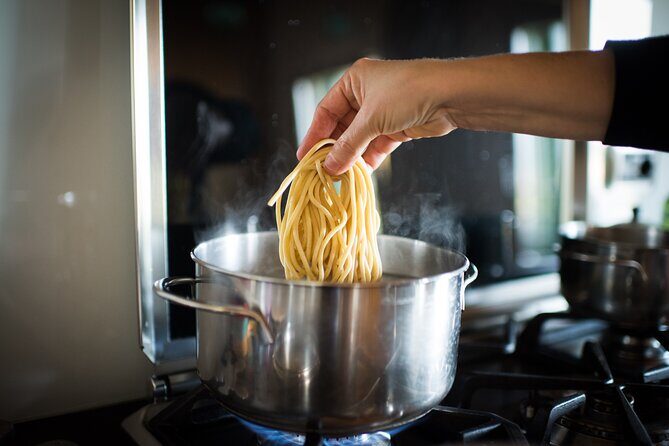
You’re paying for a format that’s hard to fake. With a private class in a local home, the host can tailor help to your cooking pace. That shows up in the details: people describe hosts checking in, offering opportunities to participate, and explaining steps with enough patience that non-cooks can keep up.
This format also protects the quality of the experience. In a crowded class, mistakes happen and the lesson turns into damage control. In a private setting, the host can slow down and guide you. That’s great if you want to actually learn, not just get through the motions.
Another overlooked perk is the cultural access. One guest mentioned getting a tour of the host’s garden and pantry. That kind of behind-the-scenes look is usually only possible in a home, not a commercial cooking venue. Even when you don’t get a full tour, the home context still adds depth. You’ll start noticing how ingredients and routines fit together in daily life.
Price, value, and how to think about paying $174.42
At $174.42 per person, this is not a budget meal. You should view it as a private instructor + private kitchen + included food and drinks package. That’s the part people sometimes miss when they compare it to a restaurant.
Here’s what you’re getting for the cost:
- A private class in a local home, not a shared studio
- Hands-on teaching for two pasta recipes plus tiramisù
- A two-course meal with beverages included
- Extra help and flexibility because your group is the only group participating
Booking timing also suggests it’s popular. On average, it’s booked about 37 days in advance, which usually means you’ll want to lock in dates early—especially if you’re traveling in peak season.
A practical tip: if you have dietary needs, ask ahead. The details aren’t listed here, so you’ll want to confirm how your host can accommodate. With a private class, they often have more flexibility than larger operators, but you still need to check.
Who should book this class (and who might not)
This experience is a strong fit if you:
- Want something more personal than a standard food tour
- Like cooking but don’t need to be an expert
- Travel in a small group and want one-on-one attention
- Enjoy food stories and the people behind the recipes
It might be less ideal if you:
- Want a super structured, clock-work lesson with zero variation
- Prefer to observe quietly instead of participating
- Are sensitive to the possibility that translation may be used if your host communicates more comfortably in another language
Also, plan it as a main event. Because it ends back at the meeting point and includes the meal, it’s easier if you don’t overload your schedule right before or right after. Give yourself time to enjoy the food and not rush out mid-course.
Should you book this pasta and tiramisu class in Verona?
I think you should book it if you want a genuine Verona evening that’s hands-on and personal. The class is designed around learning two pasta recipes and tiramisù in a real home, then sharing what you made with drinks. If you care about hospitality, clear instruction, and leaving with recipes you can actually use again, this is one of the more satisfying ways to spend a few hours in the city.
Book it early if you can, since it fills about a month ahead on average. And bring a simple mindset: show up ready to cook, ask questions, and accept that different hosts (like Aurora, Michela, or Michaela, depending on the session) may bring their own style, stories, and kitchen touches.
FAQ
How long is the Cesarine pasta and tiramisu class?
It lasts about 3 hours.
Where does the class start and end?
It starts in Verona, VR, Italy, and ends back at the meeting point.
Is this a private class?
Yes. It is private, and only your group participates.
What recipes will I learn?
You will learn two pasta recipes and how to make tiramisù.
Is the class offered in English?
Yes, it is offered in English.
Is food and drink included?
Yes. You enjoy a two-course meal with beverages included.
How much does it cost?
The price is $174.42 per person.
About how far in advance do people book it?
On average, it is booked about 37 days in advance.
What is the cancellation policy?
You can cancel for a full refund if you cancel at least 24 hours before the experience’s start time. Cancellation less than 24 hours before start time is not refunded, and changes within 24 hours aren’t accepted.