REVIEW · PADUA
Padua: Private Cooking Demo & Meal at a Local’s Home
Book on GetYourGuide →Operated by Cesarine · Bookable on GetYourGuide
A dinner with lessons beats a typical meal. This private Padua cooking demo brings you into a real Venetian home kitchen for a behind-the-scenes look at regional Italian cooking. You’ll learn hands-on techniques, then sit down to a four-course meal with local wine and coffee.
I especially like that you’re not just watching, you’re learning the steps and the reasoning behind them. I also like that the host shares local culture and food stories while you eat, so the meal feels connected to the place, not just the menu. One possible drawback: English quality can vary by host, so if you’re hoping for very detailed instruction in English, plan to work with basic phrases and rely on the demo itself.
In This Review
- Key Things I’d Prioritize in This Padua Experience
- Why This Private Padua Cooking Demo Feels Different Than a Restaurant Meal
- The 3-Hour Flow: From Meeting at the Home to Four Courses
- The Starter Course: Seasonal Plates and Real Home-Style Serving
- Pasta Step-by-Step: Dough Work, Shaping, and Flour Logic
- The Bigoli Moment: A Pasta Dish Built for Veneto Comfort
- Main Course: Where the Host’s Stories Make the Food Make Sense
- Dessert and Coffee: Tiramisu as the Closer You Remember
- Local Wines Included: How This Package Makes the Price Make Sense
- Language and Conversation: You Might Get More Than Instruction
- Who This Padua Cooking Evening Suits Best
- Logistics That Matter: Meeting at the Home and No Hotel Pickup
- Price Breakdown: What You’re Paying For Beyond the Food
- Should You Book This Padua Private Cooking Demo?
- FAQ
- How long is the cooking demo and meal?
- What is included in the price?
- What dishes are served during the four-course meal?
- Are hotel pickup and drop-off included?
- Where do I meet the host?
- How big is the group?
- What languages are used during the experience?
- Do I need to pay right away?
- What is the cancellation policy?
- Is wine included?
Key Things I’d Prioritize in This Padua Experience
- Private home kitchen time with a host, not a crowded classroom
- Four courses plus local wines, so you’re paying for a full evening, not only instruction
- Pasta-making practice (dough work and shaping), with lessons that make better sense than a recipe alone
- Regional context like flour choices and why eggs are handled a certain way
- Dessert that tends to be the star, especially tiramisu, plus coffee
Why This Private Padua Cooking Demo Feels Different Than a Restaurant Meal
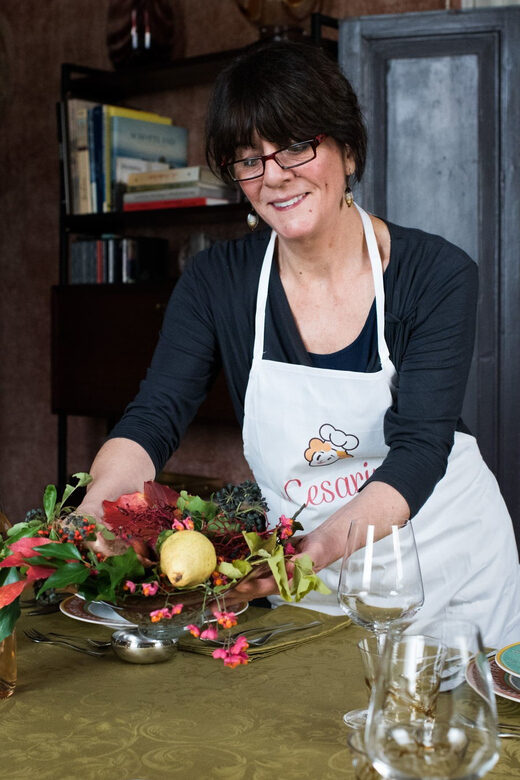
In Padua, you can eat well. But it’s hard to learn how people in Veneto cook at home unless you’re in the kitchen with them. This experience is set up as a private cooking demo, so the pace is built around teaching, not turning tables.
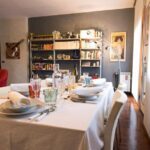
The big value is the setting: your host’s home. That changes everything about the meal. You’re tasting food in the context it was made, and the host’s stories help you connect ingredients, tools, and techniques to local habits.
If you want a predictable, “sit down and forget it” dinner, this may feel a bit more active than you expect. But if you want a memorable food evening with real conversation, it’s a strong fit.
You can also read our reviews of more private tours in Padua

The 3-Hour Flow: From Meeting at the Home to Four Courses
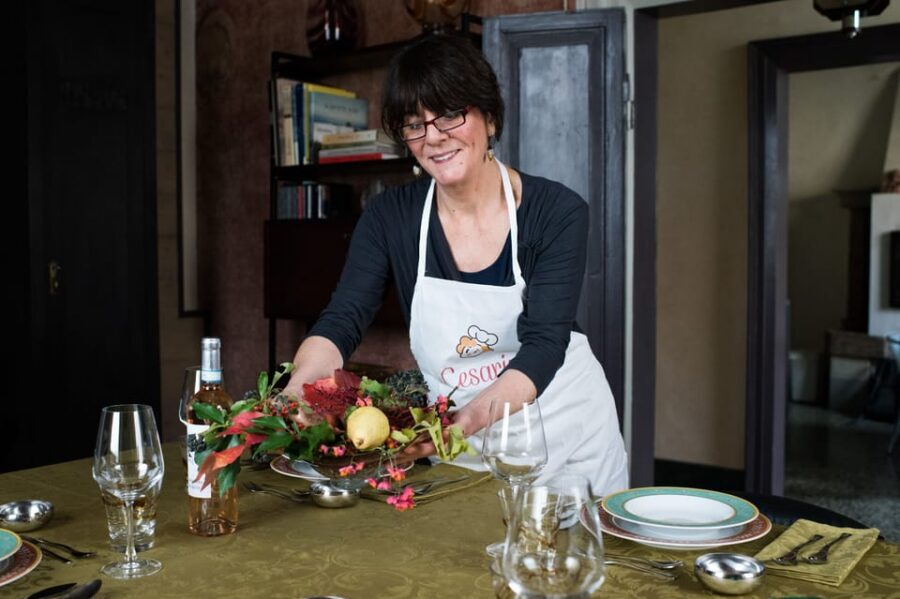
This is a 3-hour experience, and it runs at the host’s home. You’ll meet there, and the activity ends back at the same place, so you don’t need to plan transport during the meal itself. Your host’s name, address, and mobile number are emailed after booking, which keeps personal info private until it’s time to meet.
Expect the rhythm to be: watch and learn in the kitchen, then transition to eating together. Because it’s private, the timing tends to flex with how quickly your group is learning and how much conversation comes up.
If you’re the type who likes to know what happens when, focus less on exact minute-by-minute scheduling (starting times vary by availability) and more on the course structure. You’ll be served a starter, a pasta dish, a main course, and dessert, with local wines and coffee included.
The Starter Course: Seasonal Plates and Real Home-Style Serving
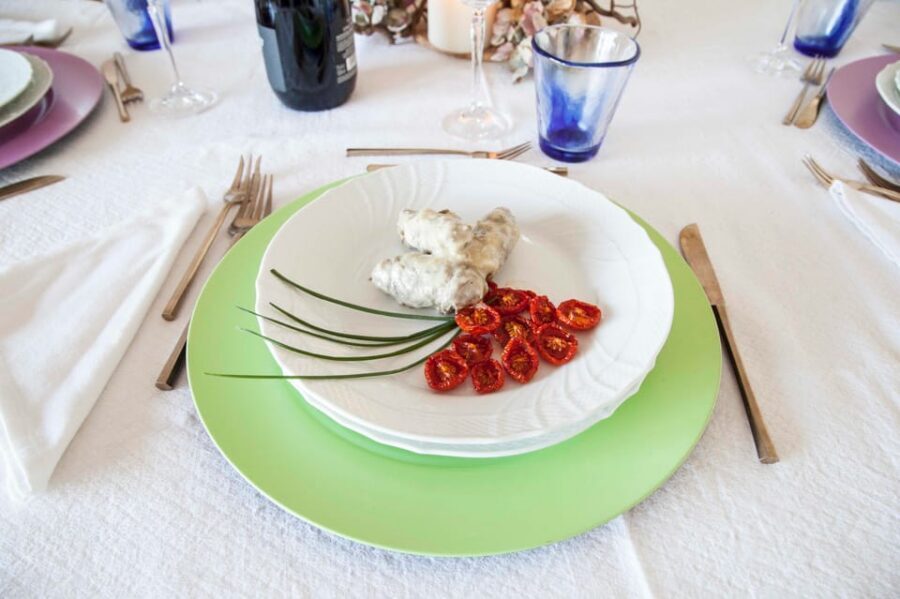
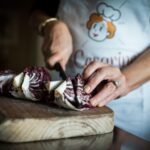
The meal starts with a starter, designed to set the tone for Veneto cooking. In at least some versions of this evening, hosts build in seasonal extras—one example mentioned is fresh artichoke and potatoes created on the spot. That kind of “whatever looks best today” approach is one reason home dining often tastes more personal than restaurant routines.
The practical takeaway for you: treat the starter as more than a warm-up. It’s where you’ll get your first snapshot of how the host thinks—what gets emphasized, what flavors they pair together, and how much effort they put into presentation even before the pasta stage.
A possible drawback is that starters can vary by what’s available and what the host chooses to highlight. If you’re strict about expecting a specific dish every time, you may want to manage that expectation before booking.
Pasta Step-by-Step: Dough Work, Shaping, and Flour Logic
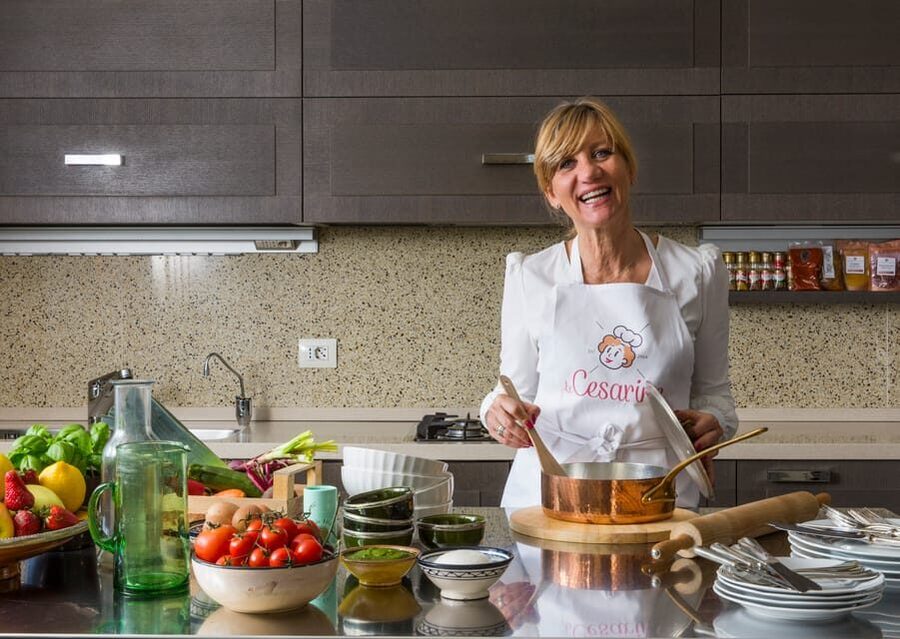
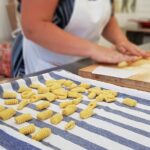
The center of the experience is the pasta lesson. You’ll watch the host demonstrate, then learn how the dough is handled and shaped. One host you might encounter, Catia, is described as warm and welcoming, with a focus on pasta dough making and shaping that turns the lesson into something you can actually remember later.
This is also where regional detail matters. You may hear explanations about how pastas and recipes are defined by the area—different flours and corn meals, plus how eggs are pasteurized for certain recipes. That’s not trivia. It’s how Italian cooking connects technique to ingredients.
Here’s how to make this part work for you:
- Ask why the host uses a certain flour or texture. If you don’t know the words, point at what’s in front of you.
- Watch egg handling closely. Even if you don’t take notes, the method usually shows up in the final texture.
- Don’t worry if your first attempt feels awkward. The goal is learning the process, not perfecting every fold.
Some hosts may have limited English, and that can affect how detailed the explanation feels. Still, the hands-on demonstration carries a lot of the teaching value even when vocabulary is basic.
The Bigoli Moment: A Pasta Dish Built for Veneto Comfort
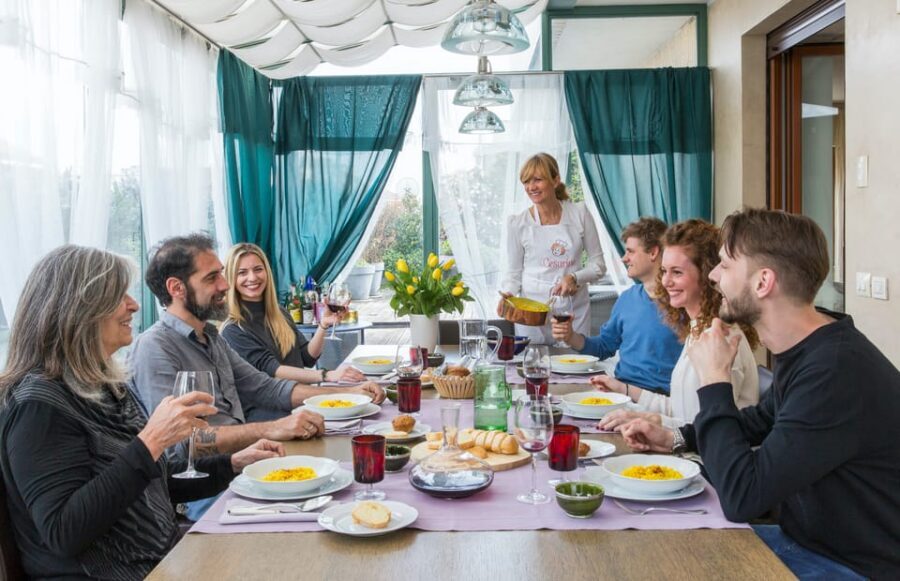
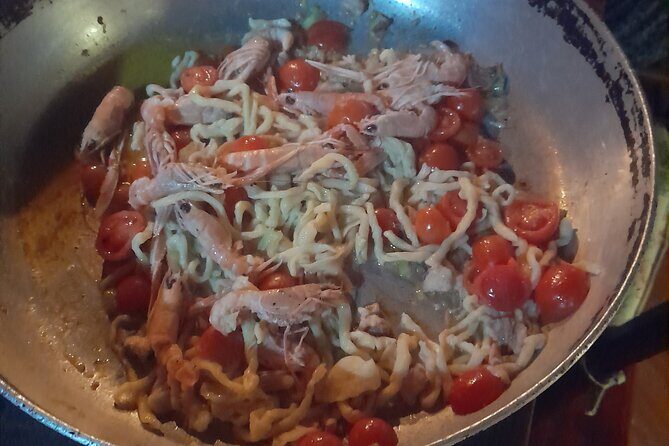
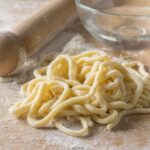
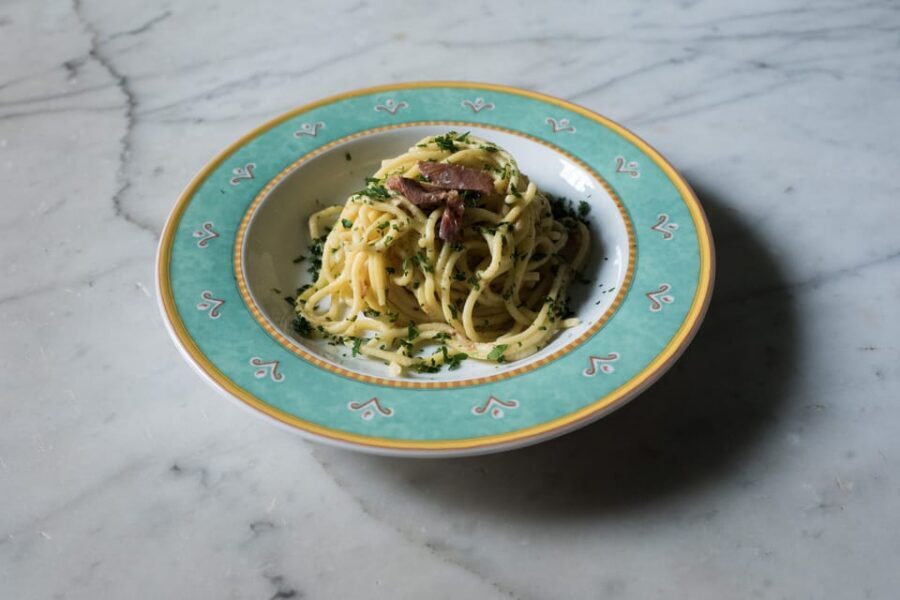
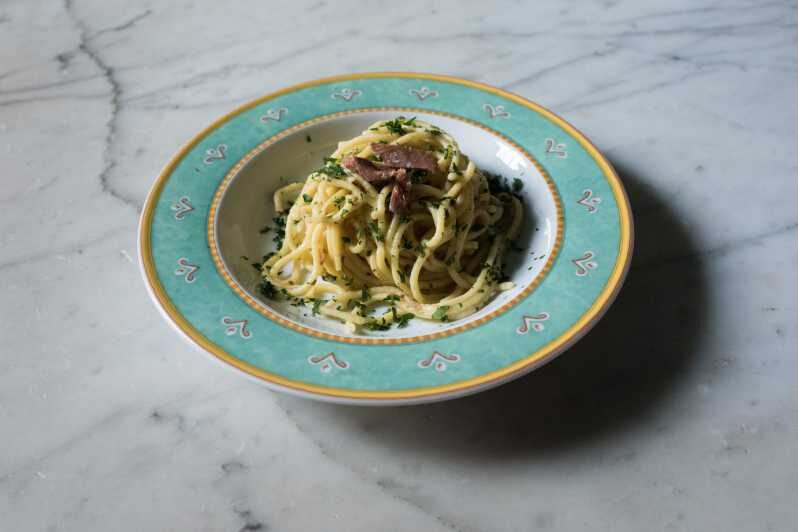
A standout pasta dish you can look forward to is Bigoli pasta with sauce. Bigoli is a classic choice in parts of Veneto, and it’s a great way to learn how regional shapes and textures interact with sauces. In the examples provided, Bigoli appears as a key highlight, and the meal often includes not only the pasta but the story behind why it’s paired the way it is.
When the host walks you through the sauce, pay attention to consistency. This is where home cooking differs from restaurant shortcuts. You’ll likely notice that the sauce is treated as something you adjust in real time rather than something you just pour.
Practical tip: if you love food that tastes simple but feels complex, Bigoli with sauce is a good bet. It’s the kind of dish where ingredient choices and timing matter more than flashy techniques.
You can also read our reviews of more cooking classes in Padua


Main Course: Where the Host’s Stories Make the Food Make Sense
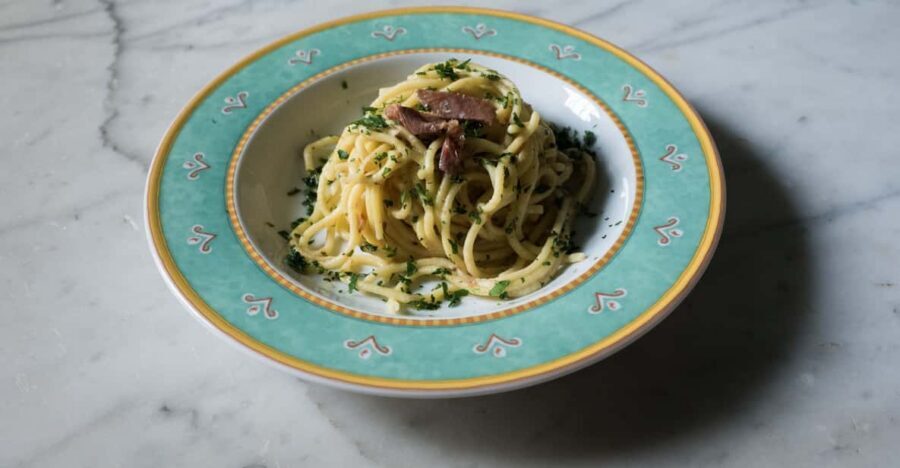
After pasta, you’ll move into the main course. You might not see it as “the main” while you’re still thinking about dough and shaping, but this is where the meal widens. It’s another chance to taste Veneto-style cooking as a full course, not a single highlight dish.
What makes this portion valuable is the human element. Hosts often tie the main dish into broader context about local cuisine—how recipes are tied to place and how families adapt methods depending on what’s available.
One thing to keep in mind: you’re in a private home, so service won’t feel like a scripted restaurant timeline. The host will pace the meal in a way that fits conversation and comfort.
Dessert and Coffee: Tiramisu as the Closer You Remember
Dessert is where this kind of evening often wins people over. In the examples provided, tiramisu gets singled out as some of the best people have ever had, followed by coffee. That matters, because many cooking classes end with something sweet but forgettable. A strong tiramisu finish can turn a good night into a story you keep telling.
For you, the smart approach is simple: slow down. Tiramisu is best when you let it be dessert, not a task you eat while you’re still asking questions. Let the coffee land, then use the last minutes to ask one or two follow-up questions about what you liked most.
Local Wines Included: How This Package Makes the Price Make Sense
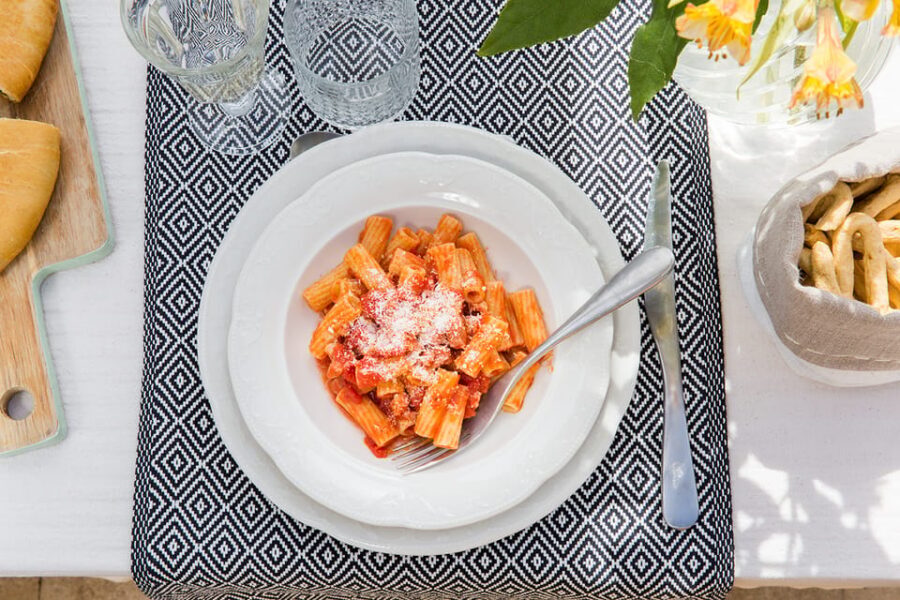
This experience includes beverages: local wines and coffee. That changes the math of the price. At a normal restaurant, wine and dessert are often where costs jump, especially in tourist areas. Here, wine is built into the plan, so you’re buying a more complete evening: lesson + food + drink.
So is $118.95 per person value? For a private group format in a home setting, it can be. You’re paying for:
- A host who teaches in their own space
- A full four-course meal
- Wine service included
- Time and attention that you don’t get at a public cooking class
If you were going to do only a cooking demo and then eat separately, the package would feel less justified. But with wine and four courses included, it’s closer to what you’d pay for a special dinner plus the added experience component.
Language and Conversation: You Might Get More Than Instruction
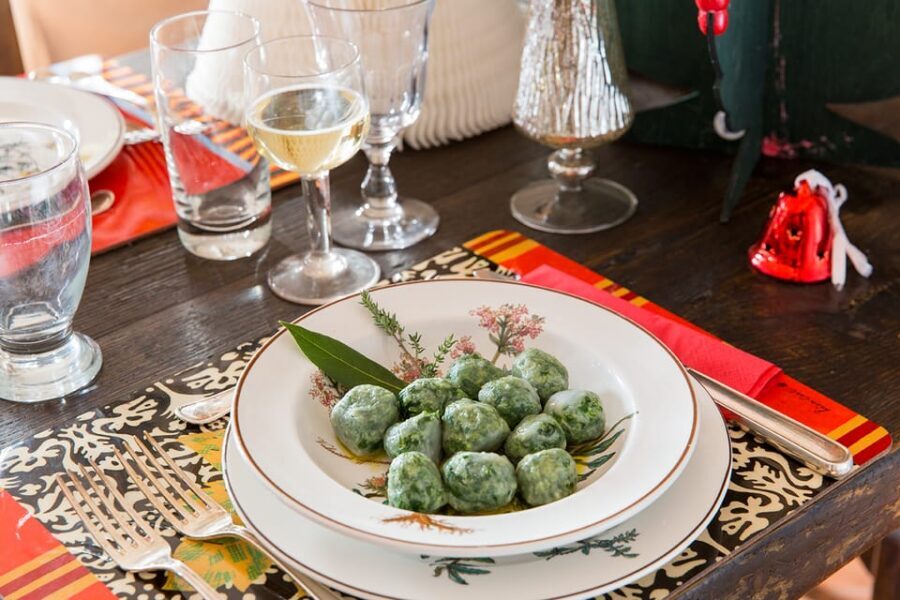
The host instruction is listed as English and Italian, and the reality can be mixed depending on who you’re paired with. One example highlights that English may not be great, but the group still got through the experience and had a great time. That’s a good sign for you if you’re flexible.
To make language easier:
- Use short questions. Why does this step matter? What should I notice in the texture?
- Rely on demonstration. You don’t need perfect vocabulary to learn a technique.
- If you want more conversation, start with ingredients and stories. Hosts often have clear, friendly explanations when you steer the talk toward food.
Even if English is limited, the experience still works because you’re learning by doing, then tasting what you helped create.
Who This Padua Cooking Evening Suits Best
This is ideal for food-first travelers who like real interaction. It fits especially well if:
- You want a private, home-style setting rather than a big group demo
- You’re interested in regional Veneto cuisine and pasta basics
- You enjoy wine with dinner and want the meal to feel like an evening, not a quick activity
- You like learning through stories, not just steps
It’s also a good choice for couples or small groups. Private group format means you can ask questions without waiting your turn for the teacher’s attention.
If you’re someone who only wants fixed, predictable dishes, or you hate any chance of variation from host to host, you may want to consider this carefully since menu details can reflect what the host emphasizes.
Logistics That Matter: Meeting at the Home and No Hotel Pickup
Hotel pickup and drop-off are not included. That’s not a dealbreaker, but it does mean you should plan to get yourself to your host’s home on time. Because the meeting point is the host’s exact home address, you’ll receive the specific details after booking.
This structure also affects the feel of the evening. Since you’re going to the local home rather than meeting at a central venue, you experience Padua as locals do for a few hours. You’ll likely feel like you’re being invited into someone’s daily life rather than entering an attraction.
Price Breakdown: What You’re Paying For Beyond the Food
Let’s talk value in a practical way. You’re paying $118.95 per person for roughly three hours, including a private cooking demo, a four-course meal, and local wine plus coffee.
If you compare it to:
- A restaurant meal: you’d usually pay for courses and wine separately
- A public cooking class: you’d often get instruction but not the full sit-down multi-course meal with drink included
- A home meal experience without instruction: you’d miss the pasta-making learning and the food-culture context
The “private home demo + dinner” combo is what you’re really buying. The host’s time is the most expensive piece, and you’re getting it in a way that leads to something tangible: you eat what you learned.
Should You Book This Padua Private Cooking Demo?
I’d book it if you want a real Italian evening with hands-on learning. The strongest reasons to choose this are the pasta-making focus, the full four-course meal with local wines, and the kind of host-led storytelling that connects ingredients to the Veneto region.
Skip it only if you need very polished, fluent English instruction every step of the way, or if you dislike the idea of meeting at a private home without hotel pickup.
If you love food enough to ask questions and pay attention while you cook, this is the type of experience that sticks with you long after the last sip of wine.
FAQ
How long is the cooking demo and meal?
The experience lasts about 3 hours.
What is included in the price?
It includes a private cooking demo, tasting a four-course meal, and beverages such as local wines and coffee.
What dishes are served during the four-course meal?
You’ll be served a starter, a pasta dish, a main course, and dessert.
Are hotel pickup and drop-off included?
No. Hotel pickup and drop-off are not included.
Where do I meet the host?
You meet at your local host’s home. The host’s name, address, and mobile number are emailed to you after booking due to privacy reasons.
How big is the group?
This is a private group.
What languages are used during the experience?
The instructor/host speaks English and Italian.
Do I need to pay right away?
You can reserve now and pay later.
What is the cancellation policy?
You can cancel up to 24 hours in advance for a full refund.
Is wine included?
Yes. Local wines are included with the meal, along with coffee.