REVIEW · PADUA
Private Padua Highlights Tour including Scrovegni Chapel and St Antonio Basilic
Book on Viator →Operated by Private Tours of Venice · Bookable on Viator
Padua hits hard in just four hours. This private walk is built around two headline visits—Scrovegni Chapel for Giotto and the Basilica of St. Anthony—then it threads in Padua’s everyday heart with major squares and historic stops. I like that you get a truly personal pace with time for questions, not a rushed checklist. I also like that tickets for Scrovegni (and entry to the Basilica) are handled for you, so you can spend your energy actually looking, not planning.
One heads-up: it is a half-day with real walking in the city center, and entry rules can require prep (you’ll need the required Covid document/Green Pass for museums and churches, and you may need to dress appropriately for the Basilica).
You’ll start with grand open space at Prato della Valle, shift into religious Padua at the Basilica, then step into the intimate, intense world of Giotto frescoes. After that, you’ll round out the old town with Piazza delle Erbe, Palazzo della Ragione, and a short stop at the Università di Padova area.
If you want the fastest way to get your bearings in Padua while still learning something specific, this tour fits well—especially if you’re traveling with limited time and want an expert’s guidance in plain English.
In This Review
- Key highlights worth caring about
- From Padua train station to a tight, guided route
- Prato della Valle: statues, scale, and a fast first read of Padua
- Basilica of St. Anthony: plan for dress, meaning, and the city’s pulse
- Scrovegni Chapel and Giotto: the fresco room you feel more than photograph
- Piazza delle Erbe and Palazzo della Ragione: Padua’s public square power
- Università di Padova: a quick stop with big academic weight
- Price and value: does $382.08 per person make sense?
- Best for who: couples, art lovers, and time-crunched first-timers
- Small extras your guide can help with after the big sights
- FAQ
- Is this tour private or shared?
- How long is the tour, and where does it start?
- What major sights are included?
- Are tickets included for Scrovegni Chapel?
- Is entry to the Basilica of St. Anthony included?
- Do I need a Covid-19 card or Green Pass to enter?
- What language is the tour offered in?
- Is lunch included?
- What if I need to keep flexible timing or have questions?
- What should I wear for the Basilica?
- Should you book this Padua private highlights tour?
Key highlights worth caring about
- Scrovegni Chapel with admission included so you can focus on Giotto’s fresco storytelling in person
- Basilica di Sant’Antonio entrance included and plenty of context for what makes it Padua’s spiritual center
- A paced walking route through top sights from Prato della Valle to Piazza delle Erbe
- Q-and-A time with a guide who adjusts to your group (your questions shape the tour)
- Major tickets are included which can save time and reduce stress on the ground
From Padua train station to a tight, guided route
This is a private tour, so it runs as just your group with an expert local guide. Pickup is from the Padua train station, and the tour ends back at the meeting point, which is handy if you have onward plans.
The schedule is about 4 hours, which means you’ll be moving through the center rather than lingering all day. The upside is that you get a coherent route: you see the big outdoor landmarks first, then the indoor masterpieces (Scrovegni) and the major church (St. Anthony), then you finish where locals roam and shop.
One practical detail I’d plan for: you’re entering museums and churches, and the tour data says you’ll need a Covid-19 vaccination card or Green Pass for admission. I’d have that ready on your phone or in hand before you arrive at each ticketed stop, so you’re not scrambling in line.
English is offered, and the tour uses a mobile ticket, which is convenient if you don’t want paper tickets floating around in your pocket. Also note: it’s often booked about 41 days in advance, so if you’re aiming for a specific time window, earlier usually helps.
You can also read our reviews of more private tours in Padua
Prato della Valle: statues, scale, and a fast first read of Padua
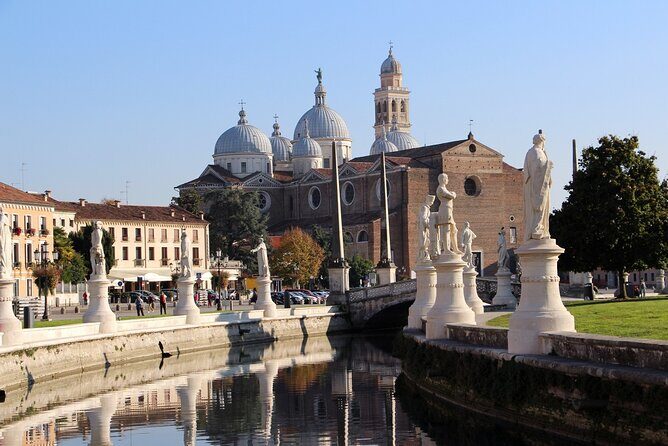
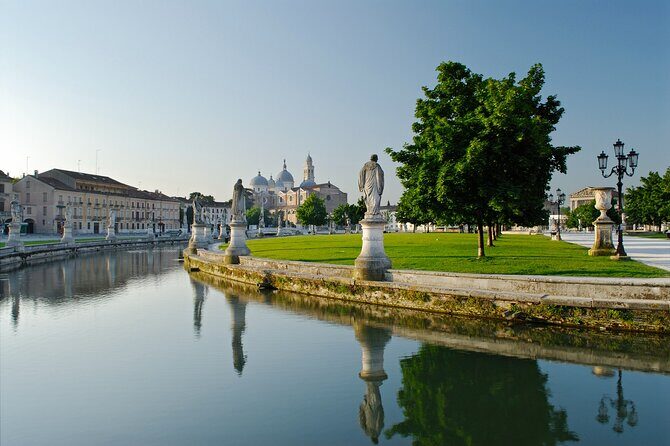
You begin at Prato della Valle, one of the largest squares in Europe. The feature you’ll notice right away is the central elliptical island, lined with 78 statues, each representing an illustrious figure connected to Padua.
This stop works well at the start because it gives you perspective. Before you head into churches and fresco rooms, you get a sense of how Padua presents itself: civic pride, public art, and a city that likes to explain who shaped it.
The visit is short—about 20 minutes—and that’s perfect for orientation. You’ll get just enough time to look up, spot key groupings of statues, and understand what you’re seeing instead of photographing random faces.
Basilica of St. Anthony: plan for dress, meaning, and the city’s pulse
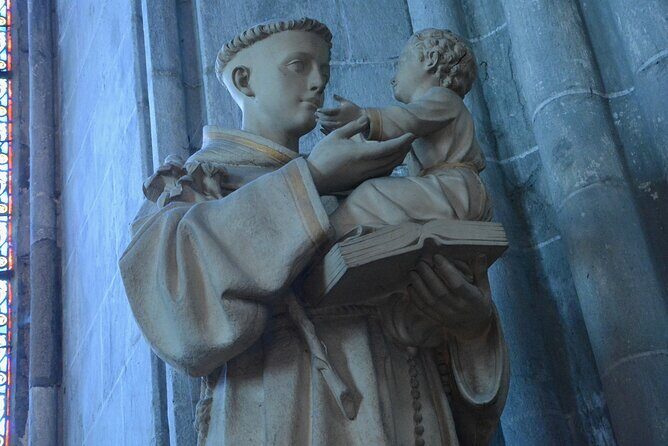
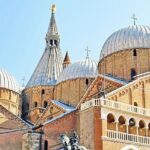
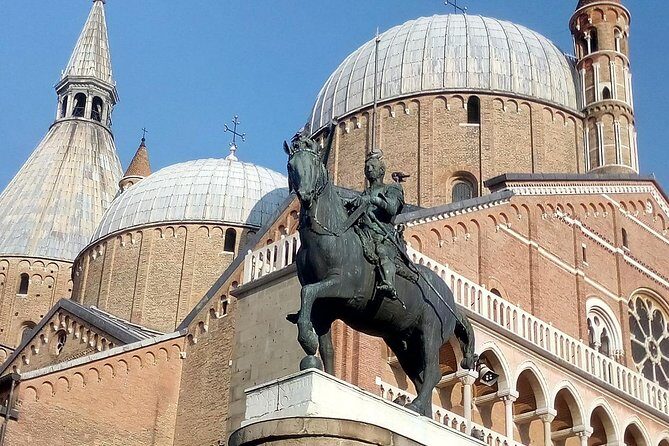
Next comes the Basilica of St. Anthony (Sant’Antonio), the religious heart of Padua and a major reason visitors come in the first place. The tour data frames it as symbol-of-the-city territory, with a special note that it’s especially significant on June 13th when the saint is celebrated.
In practical terms, this is the point where Padua feels like it’s living, not just historic. You’ll have about 40 minutes inside, which is enough time to see the church’s main focus and absorb why it matters.
Dress matters here. One clear tip from past guests: bring pants or long shorts to enter the Basilica comfortably. Even if you think you are fine, it’s worth having a backup layer if you tend to travel light, because entry rules for churches can be strict.
If you enjoy art that mixes faith and craft, this stop can reward you more than you expect. In the Basilica, you may encounter major works connected with Donatello—including bronze work at the altar and famous bronze sculpture nearby. Your guide should help connect these details to what you’re looking at, so you’re not just admiring, you’re understanding.
Scrovegni Chapel and Giotto: the fresco room you feel more than photograph
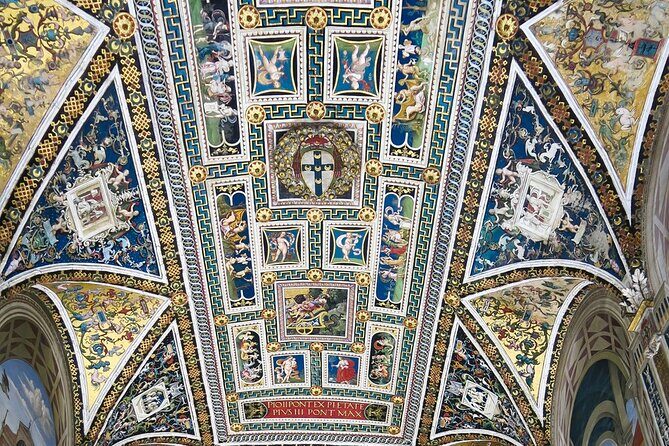
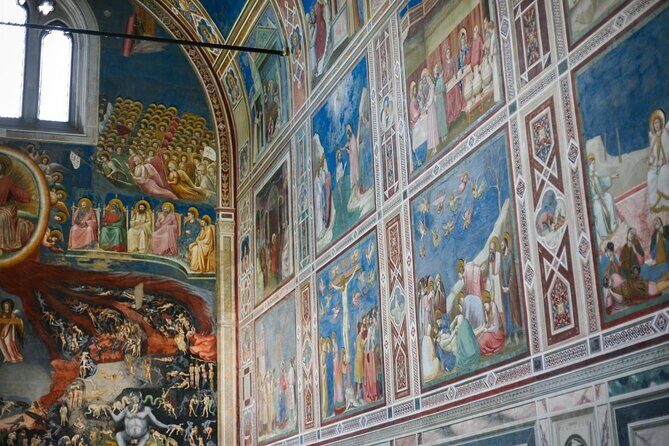
Then you reach the big one: Scrovegni Chapel, with 1 hour 30 minutes on site and admission included. This is where the tour earns its reputation, because Giotto’s frescoes are not a passive look. They are structured storytelling, and you’ll see more when someone explains the logic behind what you’re seeing.
A common lesson from people who’ve done this well: Giotto’s work has subtleties that don’t translate cleanly to phone photos. A good guide helps you read the scenes—what’s happening, what to notice, and how the panels connect—so the chapel becomes an experience, not just a picture stop.
Also, time here matters. The tour is designed to protect your slot, because Scrovegni is a timed, ticketed visit. That makes the private format feel smart: your guide can keep you on the right rhythm so you don’t lose precious minutes inside.
What you can expect during your time in the chapel:
- Time to look without getting rushed every 30 seconds
- A guide’s explanation that helps you understand the fresco composition
- Enough time to step back and re-see details after the big picture clicks
If you’re the type who wants to see the famous stuff, this is where you should slow down mentally. Let your eyes adjust to the fresco scale and narrative flow, and don’t worry about getting the perfect shot. You’ll remember the scenes more than the images.
Piazza delle Erbe and Palazzo della Ragione: Padua’s public square power
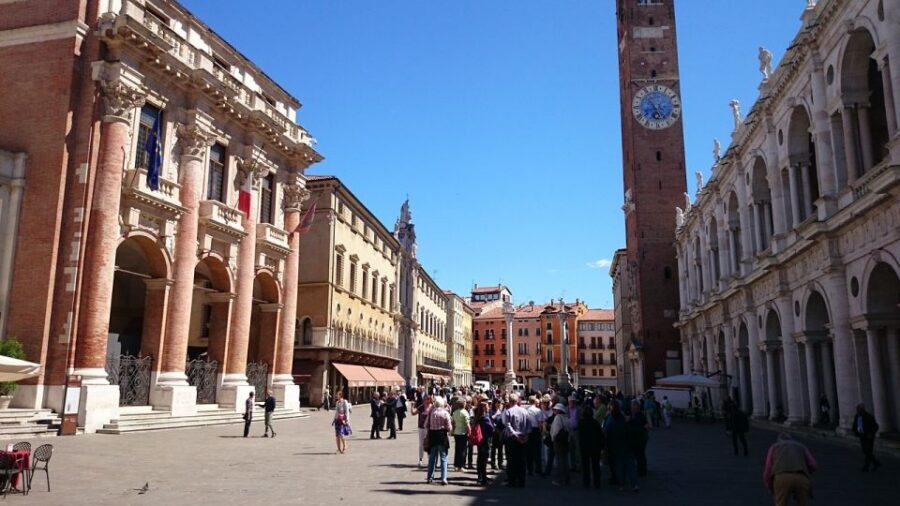
After the fresco intensity, you shift to outdoor Padua with Piazza delle Erbe, a large central square famous for markets. Your visit is about 40 minutes, and this is exactly the kind of stop that makes a highlights tour feel like a real day in a real city.
Piazza delle Erbe is where you can sense how Padua moves: people meeting, shopping, grabbing coffee, and passing through. If you’re trying to judge whether Padua is a place you could enjoy staying longer, this is a good moment to test that feeling.
From there, you head to Palazzo della Ragione, an imposing building that overlooks both Piazza delle Erbe and Piazza della Frutta. Historically, it served as the seat of the city’s courts, and today it hosts exhibitions and cultural events.
This is a great stop for a couple reasons:
- It shows how power and daily life were connected
- It helps you understand Padua as more than churches and art museums
Your time here is around 40 minutes, which is enough to get the main architectural impression and hear the key historical context without turning it into a lecture.



Università di Padova: a quick stop with big academic weight
You end with a short visit near the Università di Padova, one of Italy’s oldest universities. The tour data also points out the university’s magnificent Botanical Garden, which is one of the reasons this institution has such a strong draw beyond academics.
Your time is only about 10 minutes, so don’t expect a deep botanical visit. Instead, use it as a moment to place Padua in a larger story: the city isn’t only religious and artistic—it’s also scholarly, and that shapes how Padua feels.
A helpful move here is to ask your guide what to do next if you want to continue the education theme. You might find your afternoon plan snapping into place faster once you know what the university area can offer.
Price and value: does $382.08 per person make sense?
At $382.08 per person, this isn’t a budget afternoon. But value in a private tour comes from what you get packaged together and what you don’t have to manage yourself.
Here’s what you’re paying for, based on the tour details:
- An expert local guide who can adapt the tour to your group
- Admission tickets to Scrovegni Chapel
- Entrance to the Basilica of St. Anthony
- A structured walking route through multiple key sights in about 4 hours
- Pickup from the train station and return back to the start point
For many people, the “private” part matters more than they expect—especially if you have limited time. A well-paced guide can reduce guesswork, help you skip generic explanations, and answer your questions on the spot.
It can also be practical if you’re traveling with someone who needs slower timing. Several past guides were noted for patient pacing and for making sure questions didn’t feel like an interruption. That kind of flexible attention is hard to replicate when you’re on your own or stuck with a large-group format.
If you’re the type who already loves planning timed entries and building routes, you might question the cost. But if you’d rather spend your time in Padua instead of managing tickets, timing, and transfers, the price can feel more reasonable.
Best for who: couples, art lovers, and time-crunched first-timers
This tour fits best when you want a high-impact introduction to Padua. It’s ideal for:
- First-time visitors who want the main sights without hours of research
- Art and history lovers who care about Giotto and church art
- Travelers who value a private guide who can adjust pace and answer questions
- Anyone who’s working with a short time window and wants a coherent route
It may not be ideal if you want a mostly car-free, slow “wander with no stops” kind of day. This is structured to cover multiple anchors—outdoor squares, a major basilica, then Scrovegni—so you’ll be walking and entering places on schedule.
One more practical match: it’s a good choice if you’re picky about getting the fresco experience right. The Scrovegni Chapel visit is short on tolerance for mistakes, and a guide who helps you read the fresco panels can make a big difference.
Small extras your guide can help with after the big sights
The tour is built around the listed stops, but the most useful benefit of a live guide is what you get beyond the itinerary.
A great example from past experience: one guide suggested a stop at Caffè Pedrocchi for their specialty coffee. It’s the kind of tip that can turn the rest of your afternoon from random to fun, especially if you’re deciding where to sit and decompress after Scrovegni.
Even if you don’t follow every suggestion, ask one simple question near the end: where should I go next if I have time and I like X? You’ll often leave with a plan that feels local instead of generic.
FAQ
Is this tour private or shared?
This is a private tour/activity, so only your group participates.
How long is the tour, and where does it start?
The tour is about 4 hours. It starts at Tram Stazione 35131 Padua and pickup is offered from the Padua train Station.
What major sights are included?
You’ll visit Prato della Valle, the Basilica of St. Anthony, Scrovegni Chapel, Piazza delle Erbe, Palazzo della Ragione, and the Università di Padova area.
Are tickets included for Scrovegni Chapel?
Yes. Admission tickets to the Scrovegni Chapel are included.
Is entry to the Basilica of St. Anthony included?
Yes. Entrance to the Sant’Antonio Basilic is included.
Do I need a Covid-19 card or Green Pass to enter?
Yes. The tour data states that a Covid-19 vaccination card or Green Pass is mandatory to enter museums and churches.
What language is the tour offered in?
The tour is offered in English.
Is lunch included?
No. Lunch is not included.
What if I need to keep flexible timing or have questions?
The tour is designed to be adapted to your group, with plenty of time to ask questions and get tailored recommendations.
What should I wear for the Basilica?
A practical tip from prior guests: wear pants or long shorts to get into the Basilica.
Should you book this Padua private highlights tour?
I’d book it if you want a smart, efficient introduction to Padua that hits the big spiritual and art anchors without fuss. The standout value is Scrovegni + St. Anthony with tickets handled, paired with a guide who can keep the experience paced to your group.
Skip it only if you’re traveling with a very slow pace requirement or if you don’t want to deal with church/museum entry rules and appropriate clothing. If you’re doing Padua on a tight schedule, this private format is one of the easiest ways to make your hours feel full and meaningful.