REVIEW · VERONA
Verona: Authentic Pasta Making Class with a Local Family
Book on GetYourGuide →Operated by Vallì Homemade · Bookable on GetYourGuide
Flour, laughs, and real Verona pasta. You spend the evening making fresh dough from scratch with Valentina and Dave, then you sit down family-style to eat what you make. Two big wins for me: learning the hands-on pasta basics, and finishing with a proper shared dinner that feels like you were invited in.
One thing to think about first: this is truly hands-on. You should be ready to get a bit messy and knead dough at the pace of the class, not just watch from the sidelines.
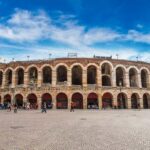
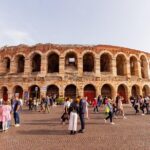
You start at Palazzo Balladoro, a short walk from Castelvecchio and about 5 minutes from the Arena. With a small group (up to 10 people) and instruction in English and Italian, it’s built for questions, conversation, and repeatable take-home skills.
In This Review
- Key highlights you’ll actually care about
- Palazzo Balladoro setup: how the evening starts in Verona
- Hands-on pasta dough from scratch: the core skill you take home
- Tagliatelle and fresh ravioli: what you’ll make in your own hands
- The sauce lesson: two quick, easy methods you’ll use again
- Dinner at the table: three courses, wine, and family-style conversation
- Price and value: what $107.62 actually buys you
- Who this is best for (and who should skip it)
- Should you book this Verona pasta class?
- FAQ
- How long is the Verona pasta making class?
- What group size should I expect?
- What pasta will I learn to make?
- Is dinner included, and is wine part of it?
- What languages are offered?
- Where do we meet?
Key highlights you’ll actually care about
- Small group energy (up to 10 people), so the teaching stays personal
- Fresh pasta dough from scratch, not just shaping store-bought dough
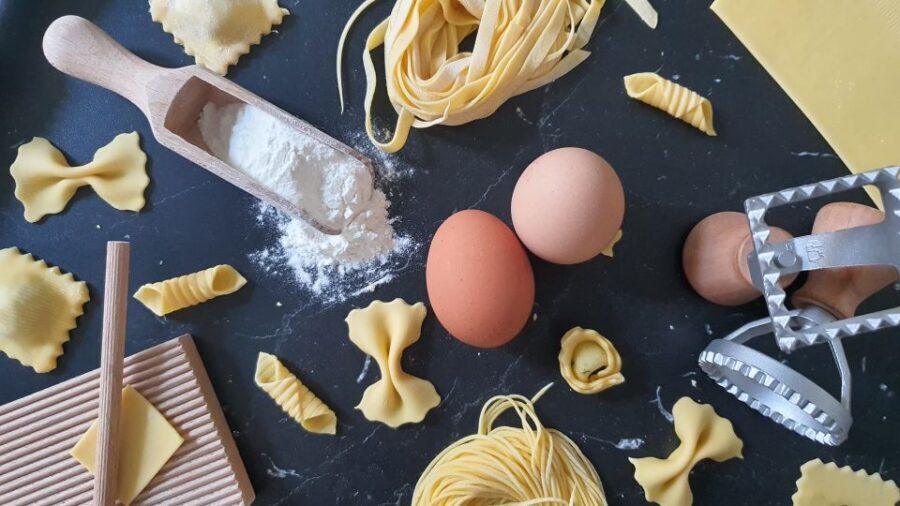
- Hands-on tagliatelle and fresh ravioli, plus a look at classic shapes like farfalle and maltagliati
- Two quick-and-easy sauces explained with the practical “do this, then that” method
- Three-course dinner at the table, with regional wine and unlimited still/sparkling water
- Recipes and tips so you can re-create the method at home
Palazzo Balladoro setup: how the evening starts in Verona
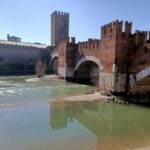
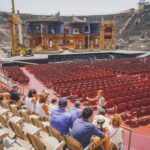
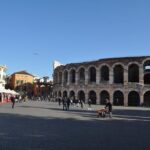
The class kicks off at Palazzo Balladoro, right in the center of Verona. It’s about a 1-minute walk from Castelvecchio and roughly 5 minutes from the Arena, which matters because you won’t lose time zigzagging across town before you even get to eat.
This also helps with timing. You can pair the class with your other Verona plans without needing a long commute, especially if you’re spending your day around the historic core. And since the experience runs about 4 hours, you’ll finish with dinner already handled, instead of trying to squeeze in a restaurant reservation after cooking.
You’ll meet with the hosts and get oriented, then the focus shifts quickly to flour, dough, and technique. The small group size (up to 10 people) is key here: you get room to work, and you’re not stuck waiting for a turn while the instructor teaches to a crowd.
Finally, the class runs with instruction in English and Italian. If your Italian is basic, you’ll still get plenty of guidance. And if you’ve studied a little, it’s a nice way to pick up pasta terms the way locals use them.
You can also read our reviews of more cooking classes in Verona
Hands-on pasta dough from scratch: the core skill you take home
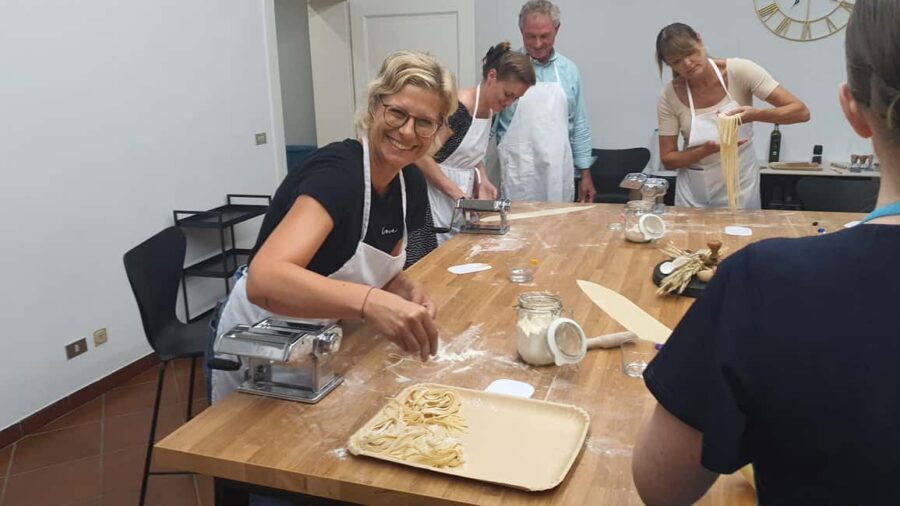
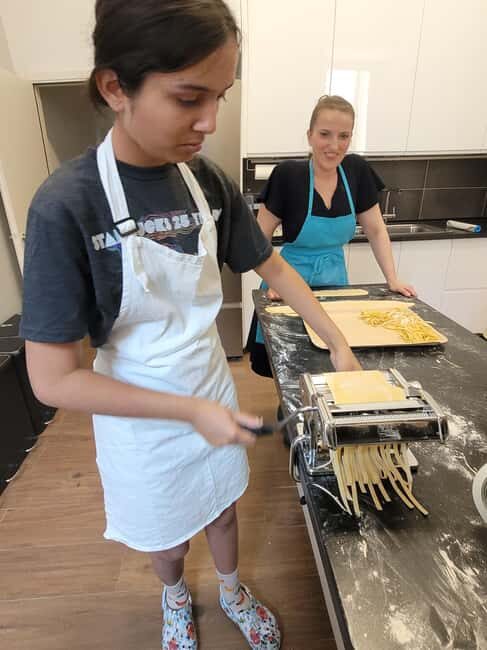
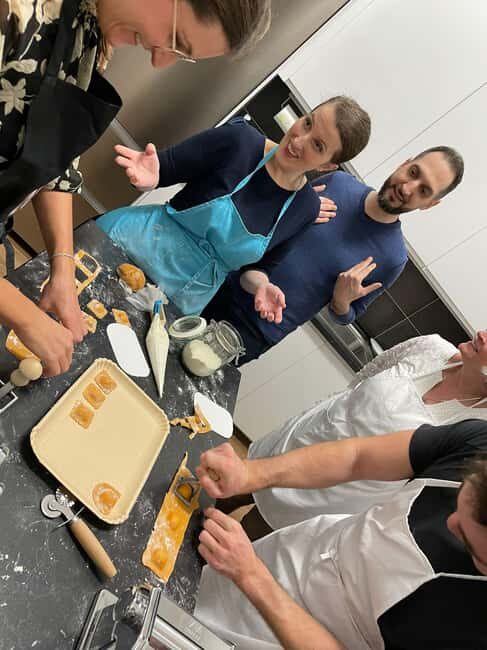
This is the part that turns a fun evening into something useful. Instead of treating pasta as just a finished dish, you learn how to build dough from the beginning—mixing, kneading, and getting it to the right feel before you shape anything.
That matters because pasta is texture. If the dough is too dry, it fights you. Too wet, and it gets sticky. The class is designed to teach the method so you can correct as you go. You’ll also learn the classic approach to rolling and shaping, which is what separates fresh pasta from the packaged stuff.
You’re taught several common cuts and shapes, including tagliolini to pappardelle, then tagliatelle, farfalle, and maltagliati. You’ll also see how decorated pasta and colored pasta are prepared, so you understand what changes when the goal isn’t only taste, but presentation.
I like this “foundation first” approach. It means even if you end up repeating only one shape at home, you’ll still understand the technique behind the sheet and the dough. And that’s the difference between making one good meal and building a habit you can repeat.
Also, the class doesn’t push heavy seasoning. The experience is set up so the food stays true to ingredients, with low/no salt and sugar during the courses to taste. It’s a smart way to train your palate, because you start noticing dough flavor and sauce balance more clearly.
Tagliatelle and fresh ravioli: what you’ll make in your own hands
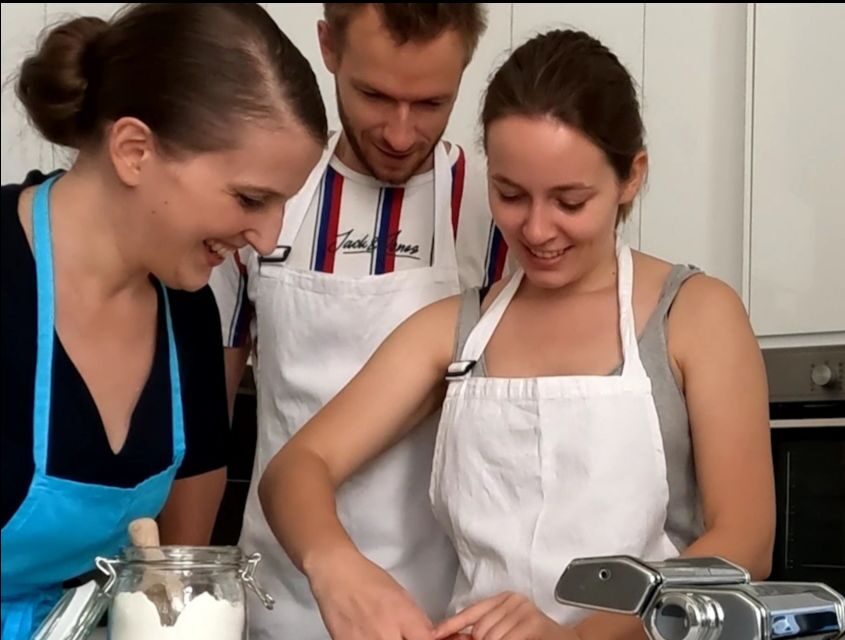
The headline hands-on items are tagliatelle and fresh ravioli. If you’ve ever wondered how Italians get fresh pasta to feel delicate but sturdy, ravioli is a real teacher. You can’t rush the filling and closing, and you learn how to handle the dough without crushing it.
Tagliatelle is where you learn finesse: thickness, length, and how to keep strands even. When you finish, you’re not just eating pasta—you’re eating something you made from scratch, with the steps fresh in your mind.
The class also connects those skills to the wider family of pasta shapes. You’ll go through classic cuts like farfalle and maltagliati, and you’ll hear how the shape choice ties to sauce. That helps you when you cook later, because you won’t just copy a recipe blindly—you’ll understand why you’d pick one shape over another.
And yes, ravioli includes more than just filling. You learn the practical side of fresh pasta: how to work so the dough stays manageable, and how to plan so your ravioli are ready for the table when it’s time to eat.
In the reviews, people consistently highlight that the instruction is clear and the session works for different ability levels. That’s important for you if you’re not a confident cook. The class isn’t “everyone knows how to do this already.” It’s built so you can learn and still have fun.
The sauce lesson: two quick, easy methods you’ll use again
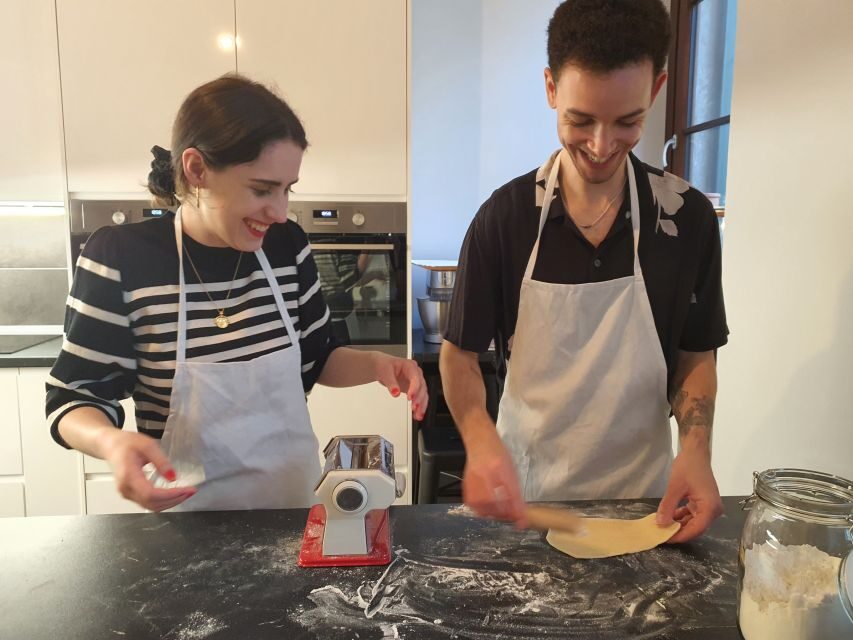
Pasta is only half the story. The other half is learning how to handle sauces without making it complicated. This experience teaches two quick-and-easy sauces, focusing on technique and the small timing details that make a sauce feel right.
You’ll hear the “secrets” and practical habits the hosts use while preparing them—things like when to add ingredients, how to balance sauce consistency, and how to keep flavors from turning flat. Even if your cooking style is simple, these are the kinds of steps you can copy.
I also like that the sauces are positioned as something you can repeat at home. Many cooking classes teach pasta, then end with a vague sauce explanation. Here, you get actual guidance so you can recreate the effect rather than guessing.
And because the courses are served with low/no salt and sugar to taste, you’re not just covering flavor with seasoning. You pay attention to the way sauce and dough work together. That makes your future attempts better, even if you change one ingredient.
If you’re the kind of person who wants one or two “go-to” dinners, this is exactly that. You’ll leave with sauce approaches that are fast enough for weeknights, not just for special occasions.
Dinner at the table: three courses, wine, and family-style conversation
After the cooking, you eat what you made. The experience ends with a three-course dinner, and it’s designed to feel like you’ve joined a family table, not attended a staged performance.
The meal includes unlimited water, both still and sparkling, which is such a practical touch. You’re working with flour and warm dough, then sitting down to taste. Having water on hand keeps things comfortable.
You’ll also have a glass of a special wine produced in the region by a small company. It’s included as part of the meal, so you get that local pairing experience without having to hunt for it on your own. If you don’t drink alcohol, you might still want the class because the pasta and dinner are still the main event, but keep in mind the wine is part of the included package.
One more detail I appreciate: the courses are served with low/no salt and sugar to taste. That means the dinner leans into ingredient character instead of masking it. It’s a good reminder that Italian cooking often rewards restraint.
And the atmosphere matters. The hosts (Valentina and Dave) set a tone that’s friendly and funny, with lots of conversation during the evening. People leave talking about the laughter and the feeling of being treated like family—exactly the kind of memory that makes a trip feel personal.
You can also read our reviews of more tours and experiences in Verona


Price and value: what $107.62 actually buys you
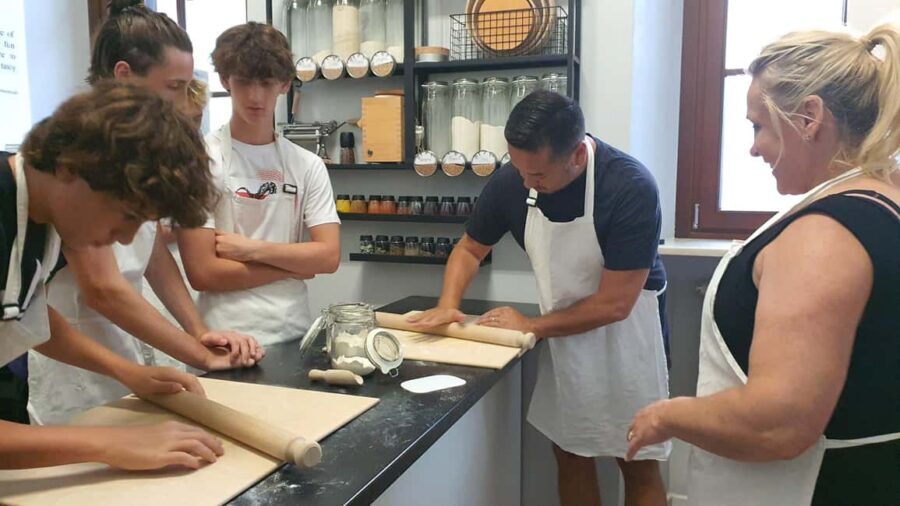
At $107.62 per person, you’re paying for more than a recipe lesson. You’re paying for 4 hours of hands-on instruction plus a full three-course dinner with wine and unlimited water, along with recipes and tips you can bring home.
Here’s why that value can make sense: many cooking experiences that teach pasta also end up being mostly watching. This one is hands-on and focused on dough skills. You’re not only learning how to shape—you’re learning the foundation that affects everything else.
Then you get the payoff right away: you eat your own pasta during a real dinner. That turns the class into an evening of both learning and reward, so you’re not paying for a meal you still have to figure out after.
You’re also working with a small group (up to 10 people). When instruction is personal and the group stays manageable, it tends to improve the quality of learning. You ask questions, you get feedback, and you don’t feel like you’re lost in the back.
Is it expensive compared with a basic walking tour? Sure. But it’s cheaper than you’d pay for a cooking class plus a solid restaurant dinner plus wine separately in the center of Verona. In short: you’re buying a complete experience, not just the activity.
Who this is best for (and who should skip it)
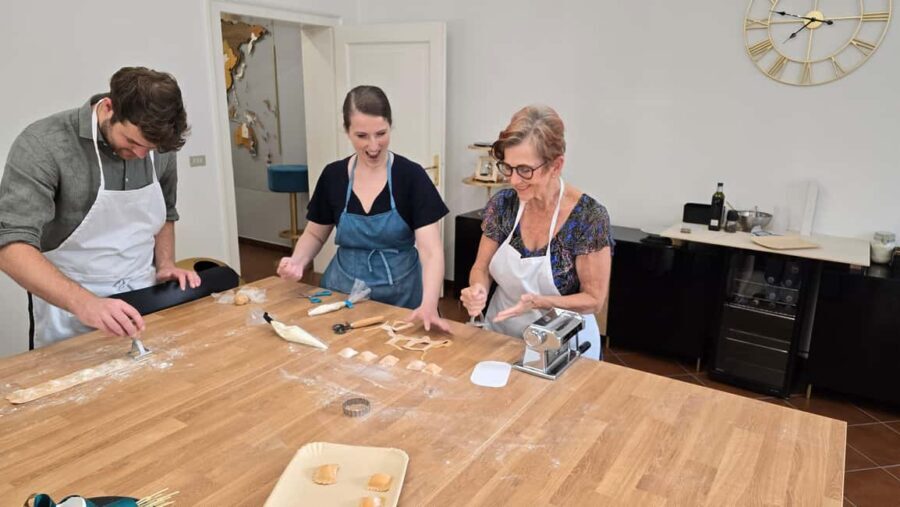
This class is perfect if you want something interactive and food-focused, with a real chance to learn technique instead of just taking photos. It also fits couples and small groups who like shared activities, because dinner becomes part of the conversation.
If you enjoy Italian cooking and want a foundation you can repeat at home, you’ll appreciate the emphasis on dough-making and practical sauces. The course even connects pasta shapes to how they work with sauce, which helps you think like a cook instead of a copier.
It may not be ideal if you prefer to watch only. Since you’re making pasta with your own hands, you should feel comfortable getting flour on you and working at a hands-on pace for about 4 hours.
Also consider your evening schedule. Because the class includes dinner, you’ll want an open night afterward. Even if you’re staying near the Arena, the best move is to plan one main evening event and let the rest of the night stay easy.
Should you book this Verona pasta class?
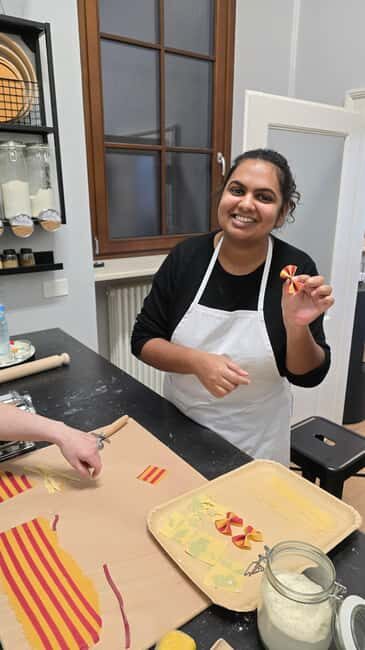
If you’re deciding between a pasta class that’s mostly “tour of the kitchen” and one that actually teaches dough and sauce, book this. The combo of hands-on tagliatelle and fresh ravioli, plus two quick sauce lessons, plus a three-course meal with wine is the strongest reason to go.
My practical advice for your decision: if you’re the type who loves learning one solid technique and using it again at home, this is a great fit. If you only want casual entertainment and prefer to do zero cooking yourself, you might feel disappointed.
One last check before you book: you’re spending about 4 hours inside the experience. If you’re traveling with tight timing and only one free evening, this still works well because the meeting spot is central. But treat it as the event of your evening, not an add-on.
FAQ
How long is the Verona pasta making class?
The experience lasts 4 hours.
What group size should I expect?
It’s limited to a small group of up to 10 participants.
What pasta will I learn to make?
You’ll make homemade pasta dough from scratch and prepare classic shapes. The hands-on highlights include homemade tagliatelle and fresh ravioli, and you’ll also see or learn about other cuts such as tagliolini, pappardelle, farfalle, and maltagliati, plus decorated and colored pasta.
Is dinner included, and is wine part of it?
Yes. After the class, you’ll enjoy a three-course meal. It includes unlimited still and sparkling water and a glass of a special regional wine.
What languages are offered?
The instructor speaks English and Italian.
Where do we meet?
You meet at Palazzo Balladoro in the heart of Verona. It’s about a 1-minute walk from Castelvecchio and around 5 minutes from the Arena.