REVIEW · VERONA
Verona: City Highlights Private Tour
Book on Viator →Operated by Citywalkers · Bookable on Viator
Verona hits different when you know where to look. This private walking tour gives you a clear route through the city’s big landmarks, with just enough story to help you explore on your own afterward.
I especially like the focus on Verona highlights—from the Arena’s Roman scale to Juliet’s doorstep legend. I also like that the itinerary can be adjusted to your pace and interests, instead of feeling like you’re being herded through checkboxes.
One possible drawback: it’s a short, compact route. If you want lots of time sitting, lingering, or going inside major monuments for an extended visit, you may feel a bit rushed by the end.
In This Review
- Key things to notice before you go
- How This Private Highlights Walk Gets You Oriented in Verona
- Piazza Bra and the Arena: Roman Scale You Can Actually Picture
- Scaliger Fortifications and Ponte Scaligero: Medieval Power on Display
- The White Marble Arch, Its Disappearance, and the 1932 Rebuild
- Piazza delle Erbe: The Roman Forum Role That Never Left
- Arche Scaligere: Gothic Tombs With a Real Family Signature
- Piazza dei Signori (Piazza Dante): Verona’s Refined Political Center
- Casa di Giulietta: Shakespeare Myth, Family Rivalry, and the Real Setting
- Price, Time, and When Private Is Worth It
- Guide Quality: Cecilia and Priscilla Are a Big Deal
- Should You Book This Verona Highlights Private Tour?
- FAQ
- How long is the Verona city highlights private tour?
- What’s the group size limit for this tour?
- What language is the tour offered in?
- Where does the tour start and where does it end?
- What are the main sights included on the route?
- Are there admission tickets included for the stops?
- Is lunch included?
- Can I use a mobile ticket?
- Are service animals allowed, and is the tour generally suitable for most people?
Key things to notice before you go
- A private route for up to 2 means you can ask questions and move at your speed.
- Roman Verona to Shakespeare Verona in one walk keeps the city feeling connected instead of random.
- Arena scale facts (140 by 110 meters) make the landmark easier to picture fast.
- Scaliger power is everywhere: Ponte Scaligero, funerary tombs, and the feel of medieval rule.
- Multiple viewpoint moments around Piazza delle Erbe and the towers help you orient quickly.
- Guide quality matters: Cecilia and Priscilla got standout praise for warmth and engagement, though one review noted a less interactive style.
How This Private Highlights Walk Gets You Oriented in Verona
This is a smart choice if you only have a little time, or if you want the city to make sense before you wander off. You’ll start in Piazza Bra and finish near Casa di Giulietta, which is perfect because it lines up with the most common “first day in Verona” flow.
The tour is about 2 hours 30 minutes on foot with a licensed guide in English. It’s private, so it’s just your group (up to 2 people). That matters more than it sounds. When you can ask questions freely and slow down when something catches your eye, the whole place starts to feel personal rather than like a checklist.
Also, the guide can adjust the itinerary to suit your needs. That flexibility is useful in Verona, where you might want extra time at the squares, or you might want to get better photo angles before crowds swell.
You can also read our reviews of more city tours in Verona


Piazza Bra and the Arena: Roman Scale You Can Actually Picture
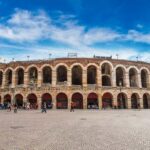
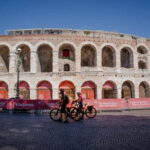
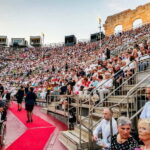
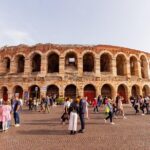
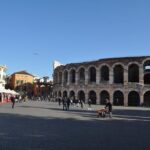
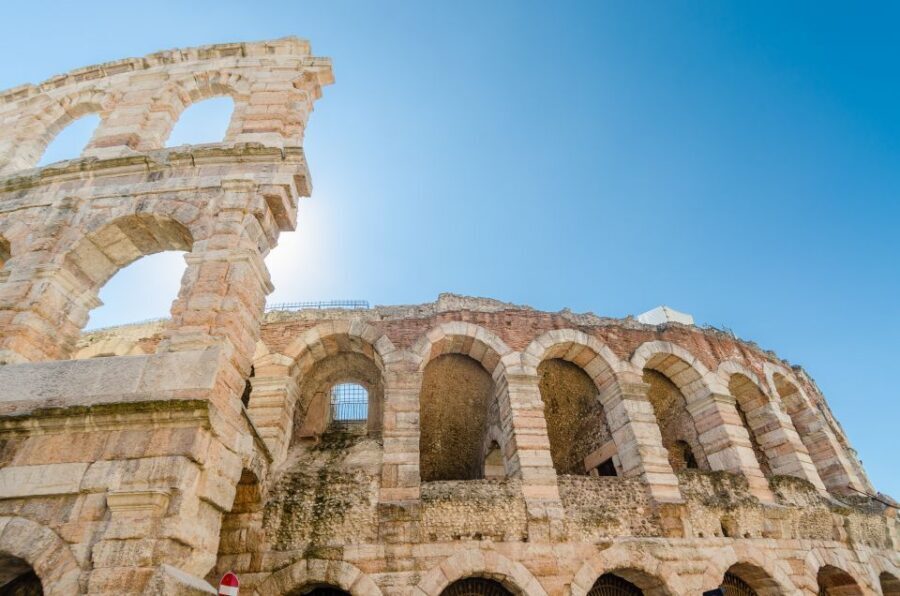
You’ll begin at Piazza Bra, dominated by the Arena. This Roman amphitheater is huge: it measures about 140 meters long and 110 meters wide, and it dates to the 1st century AD. It’s also known as the world’s best preserved Roman amphitheater, and the reason is practical: the structure holds up, and the acoustics are still a big deal.
Here’s the kind of context that helps you later. When you stand here, you’re looking at a place built for around 30,000 people. That changes how you interpret the space around it—why the square feels built to “hold” crowds, and why the area has always mattered.
One thing to consider: the itinerary describes the Arena’s size and significance, but it doesn’t spell out ticket details for Arena entry. So treat this stop as a major orientation moment. Even if you don’t go inside, you’ll leave with a much clearer mental image of why Verona’s center formed the way it did.
Scaliger Fortifications and Ponte Scaligero: Medieval Power on Display
From the Arena area, you move into the medieval story of the city: the Scaliger dynasty. The tour highlights the castle as the most important military construction of that period, and it connects the whole defense system to the river.
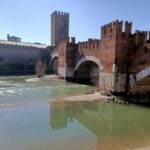
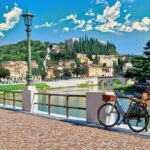
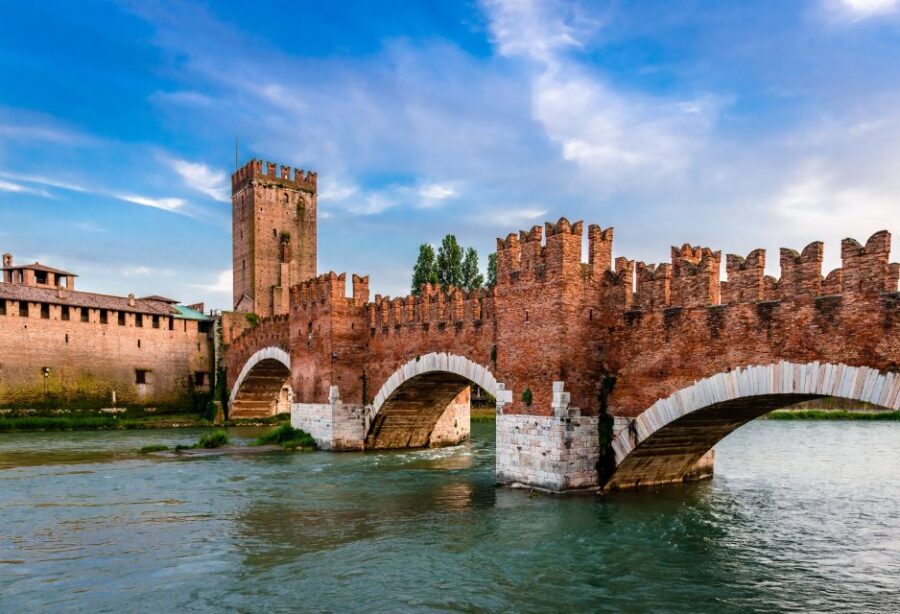
You’ll also learn about Ponte Scaligero, the fortified bridge that links the left bank of the Adige River. The detail that grabs attention is the engineering claim: when completed in 1356, it had the largest supporting arch span in the world. Whether you’re an architecture person or not, this kind of fact makes you look differently at what you see. Verona isn’t just pretty streets—it’s layered thinking about control, movement, and protection.
There’s a similar “follow the story” vibe with the next set of landmarks, where Roman and medieval elements overlap in the city’s layout.
The White Marble Arch, Its Disappearance, and the 1932 Rebuild
This stop is one of those Verona surprises: you’ll hear about a monumental arch made of white veronese marble, dedicated to the Roman family Gavia, dating to the 1st century. It once stood near the center of Corso Castelvecchio, linking the city with Rome.
Then comes the twist. The French dismantled the arch because it was considered a traffic hindrance. Pieces were reportedly dumped under the arches of the Arena. Later, in 1932, the arch was reassembled piece by piece in its current location.
That story gives you something more useful than trivia. It shows how Verona’s center has been reshaped again and again—and how the city keeps recycling its own past. Even if you’ve seen lots of Italian “reused materials” stories, this one has a very Verona flavor: the Arena and the arch end up connected by this odd historical detour.
Piazza delle Erbe: The Roman Forum Role That Never Left
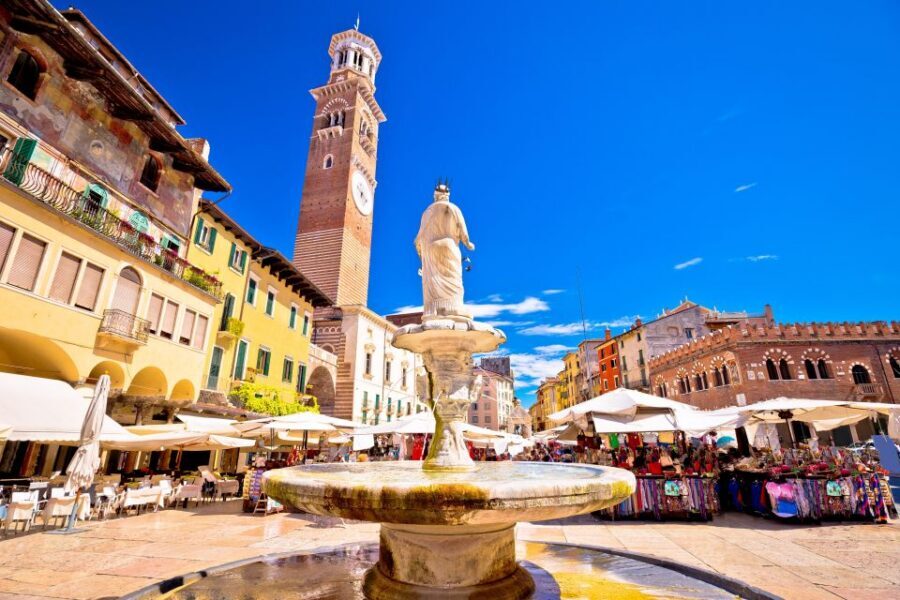
Next up is Piazza delle Erbe, often described as a continuing city-living room. The tour notes that this was the center of city life during Roman times, where the forum sat. In other words, this square isn’t just where people stroll today—it’s where civic life happened long before today’s streets were laid out.
What you’ll enjoy here is the way the square mixes time periods without feeling messy. You’ll learn about the monuments tied to different rulers. The fountain uses a Roman statue and is known as Madonna Verona. That blend—Roman sculpture repurposed for later identity—helps you see the city as a living museum.
You’ll also notice the surrounding landmarks: Gardello Tower (14th century) and the Baroque Palazzo Maffei. Then there’s the administrative side of the square, with the courtyard of the Palazzo del Comune leading your eye toward the Lamberti Tower, known for panoramic views over Verona.
A practical note: this is a great stop for photos and quick orientation, but it can get busy. If crowds bother you, this is the place where adjusting timing and pace with your guide can make a noticeable difference.
You can also read our reviews of more private tours in Verona



Arche Scaligere: Gothic Tombs With a Real Family Signature
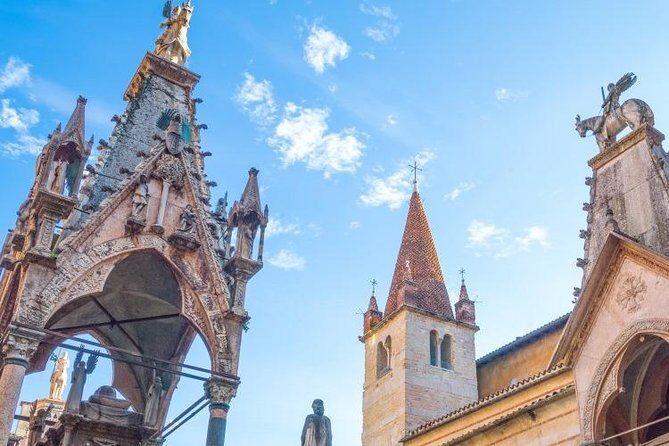
Arche Scaligere are funerary tombs that commemorate the Scaliger family, who ruled Verona in the 13th and 14th centuries. These tombs are a standout because the tour points out their link to Gothic art, not just medieval-era styling.
You’ll see them inside an enclosure of wrought iron grilles decorated with a stair motif. The meaning is tied directly to the family name: della Scala means of the stairs. It’s the kind of detail you can easily miss if you just walk by, so the guide’s job here is valuable.
One practical consideration: tomb enclosures and stone monuments are easy to rush through on your own. With a guide, you get a quick explanation of why the design looks the way it does, so you’re not just counting arches—you’re understanding a symbol system used by a ruling family.
Piazza dei Signori (Piazza Dante): Verona’s Refined Political Center
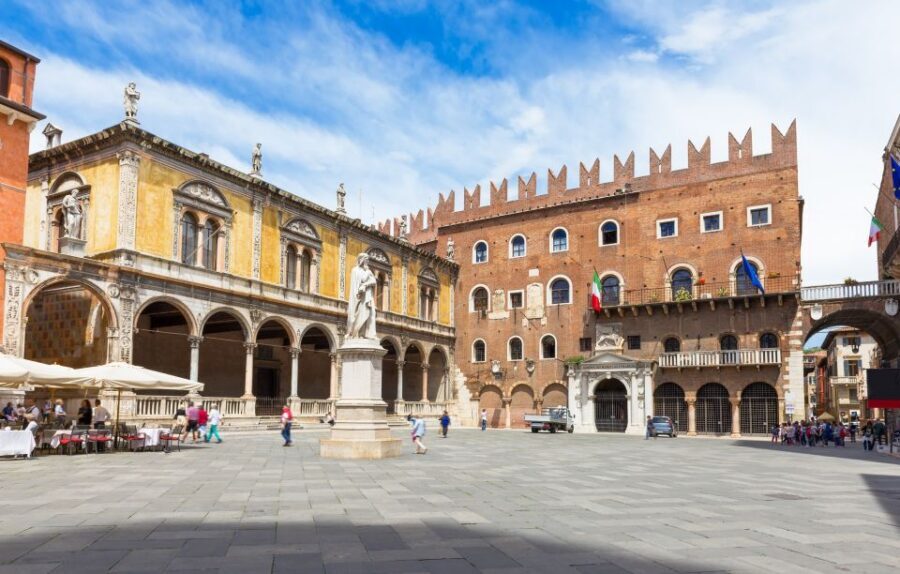
Then you move to Piazza dei Signori, also known as Piazza Dante because of the statue of Dante Alighieri in the center. This square is described as Verona’s refined living room, and the reason feels believable once you’re there.
The buildings around it include Renaissance-era spaces tied to governance and civic function: the Palazzo della Ragione, Palazzo del Capitano, Palazzo del Governo, Loggia del Consiglio, and Domus Nova. The tour notes that political and administrative functions still happen during the day.
That detail matters because it changes how you should spend time here. Instead of treating it like a photo stop, treat it like a place where Verona’s decision-making used to happen—and still does in some form. You’ll also learn it attracts the university crowd, which helps explain the mix of locals and students you may see in and around the square.
Casa di Giulietta: Shakespeare Myth, Family Rivalry, and the Real Setting
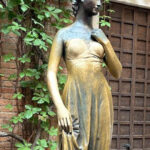
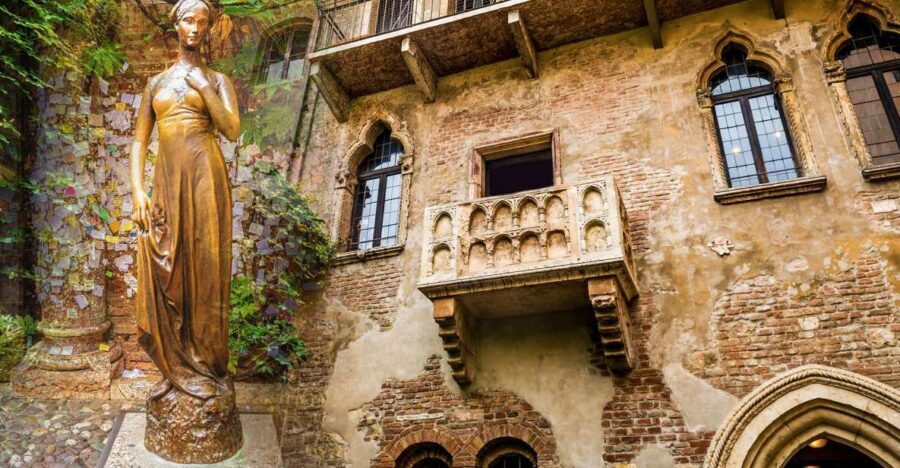
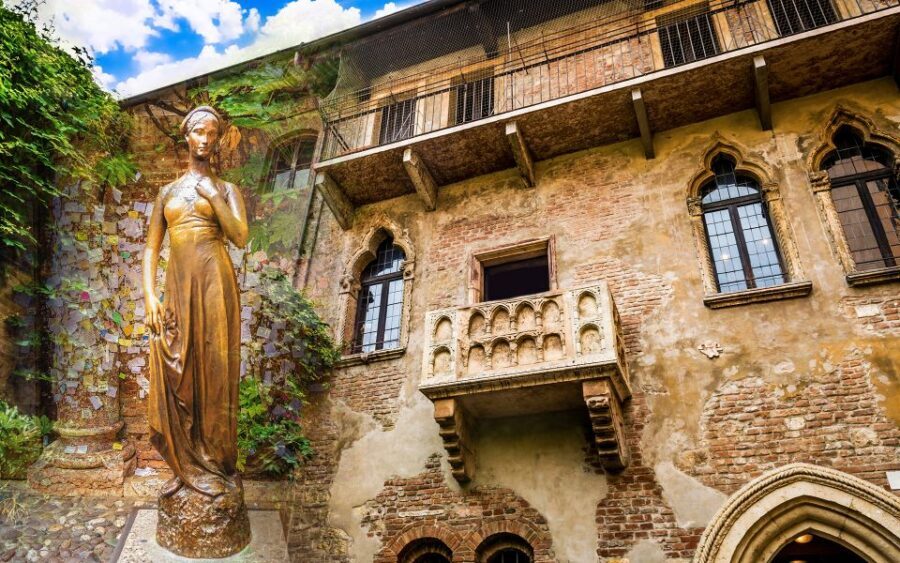
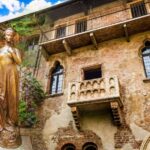
Finally, the tour lands at Casa di Giulietta, which is the reason many people plan a Verona trip. The tour explains the Shakespeare connection—how this site is linked to the romantic and tragic love story idea.
The building dates back to the 12th century and was owned for a long time by the Dal Cappello family, with their coat of arms carved into the keystone of an inner courtyard arch. The story goes that the family name Cappello sparked a belief it was connected to Capuleti, tying the family rivalry concept to the play.
Here’s how I’d frame it for you: even if you’re not a die-hard Shakespeare reader, the site works because Verona built a whole cultural identity around the story. Your guide’s job is to keep it grounded in place and period, not just romantic marketing.
The tour ends nearby Juliet’s Balcony, and you’ll get tips on what to do next in the area. That’s helpful because Casa di Giulietta is famous and can draw big crowds. With a guide’s advice, you’ll likely know how to pace yourself so the experience stays fun, not just crowded.
Price, Time, and When Private Is Worth It
The price is $279.98 per group for up to 2 people, with about 2 hours 30 minutes of guided time. That’s not the “cheapest possible” Verona option, but private tours don’t exist to be cheap. They exist to buy you convenience and control.
For a pair, the value usually comes from three things:
- You can ask questions in real time instead of guessing what you’re looking at.
- You can adjust the pace since this is private.
- You get a clean route that reduces wasted time on your first day.
If you’re traveling alone, it can still be a good deal if you strongly prefer a guide’s explanations and you don’t want to join a group schedule. If you’re the type who likes to wander and read on your own, you might decide to do a self-guided route instead. But if you want the city to click quickly, private wins.
Guide Quality: Cecilia and Priscilla Are a Big Deal
The reviews highlight guide personality and communication. Cecilia is praised as knowledgeable, warm, and genuinely engaging, with Verona feeling like it came alive through her passion. Priscilla also receives top marks as first class, and the overall experience is described as fantastic.
That said, one review notes a guide who was not interactive or personable, even though the tour still covered major highlights. So here’s the balanced takeaway for you: this tour is about the highlights route, and the guide experience can vary by person. Your best move is to lean into questions and set expectations early with your guide if interaction is important to you.
Should You Book This Verona Highlights Private Tour?
Yes, if you want a first-day shortcut to understanding Verona. You’ll cover the Arena area, Scaliger-era landmarks, the main civic squares, and Casa di Giulietta in a tight, logical flow. You’ll also get explanations that make the city’s Roman and medieval layers feel connected, not separated by time gaps.
Book it especially if:
- you’re short on time and want maximum “sense-making” per hour
- you want a guide to tailor the pacing
- you and your travel partner like asking questions and moving together at your speed
Skip it or pair it with extra self-guided time if:
- you want to go inside major sites for long stretches
- you prefer quiet, slow museum-style visits instead of a highlights walk
- you’re very sensitive to the personality of your guide and want an ultra interactive experience
If you’re heading to Verona and want your bearings fast, this is a strong way to get them—and you’ll have a better route for whatever you choose next.
FAQ
How long is the Verona city highlights private tour?
It’s listed at about 2 hours 30 minutes.
What’s the group size limit for this tour?
It’s a private tour for up to 2 people per group.
What language is the tour offered in?
The tour is offered in English.
Where does the tour start and where does it end?
It starts in Piazza Bra, Verona, Italy, and ends near Casa di Giulietta on Via Cappello, 23, 37121 Verona.
What are the main sights included on the route?
You’ll see highlights including the Arena, Scaliger-related landmarks (including Ponte Scaligero and the Castelvecchio area arch story), Piazza delle Erbe, Arche Scaligere, Piazza dei Signori, and Casa di Giulietta near Juliet’s Balcony.
Are there admission tickets included for the stops?
The itinerary notes Admission Ticket Free for Piazza delle Erbe, Arche Scaligere, Piazza dei Signori, and Casa di Giulietta. Admission details for the Arena and castle are not specified in the provided information.
Is lunch included?
No, lunch is not included.
Can I use a mobile ticket?
Yes, the tour includes a mobile ticket.
Are service animals allowed, and is the tour generally suitable for most people?
Service animals are allowed, and the tour indicates that most travelers can participate.