REVIEW · VERONA
Verona: Pasta & Tiramisu Cooking Class at a Local’s Home
Book on GetYourGuide →Operated by Cesarine · Bookable on GetYourGuide
Fresh pasta starts at your hands. This Verona class is set in a local’s home, led by a Cesarine host, and it teaches you how to make sfoglia and the classic tiramisu steps from scratch. I like how personal it feels because you’re not just watching from a distance.
Two things I really love: first, the group stays small (max 12), so you get real help while you roll, shape, and cook. Second, you warm up with an Italian aperitivo (prosecco and nibbles), then you eat what you make with wines. One consideration: you won’t get the full address until after booking, and it’s not set up for wheelchair users.
In This Review
- Key Highlights You’ll Care About
- Why a Cesarine Home Kitchen Feels Different in Verona
- The 3-Hour Flow: Aperitivo, Pasta Making, and Tiramisu Timing
- Rolling Sfoglia by Hand: The Skill Behind Good Fresh Pasta
- Two Iconic Pastas You’ll Make (And Why That’s Better Than One)
- The Tiramisu Lesson: Getting the Set Right
- Aperitivo and Drinks: The Part That Makes the Meal Feel Like Italy
- What Included Pricing Really Covers (And How It Compares)
- Group Size and Host Style: Why You’ll Get Better Results
- Logistics: A Local Home Means Both Charm and a Little Uncertainty
- Who This Class Is Best For (And Who Might Skip It)
- Should You Book This Verona Pasta and Tiramisu Class?
- FAQ
- How long is the cooking class?
- How big is the group?
- What will I learn to cook?
- What’s included with the class?
- Where does it take place?
- Is it wheelchair accessible?
Key Highlights You’ll Care About
- Small-group size (max 12) means hands-on attention instead of standing around
- Aperitivo first: prosecco and nibbles to get you in the Italian mindset
- Roll sfoglia by hand and learn what fresh dough should feel like
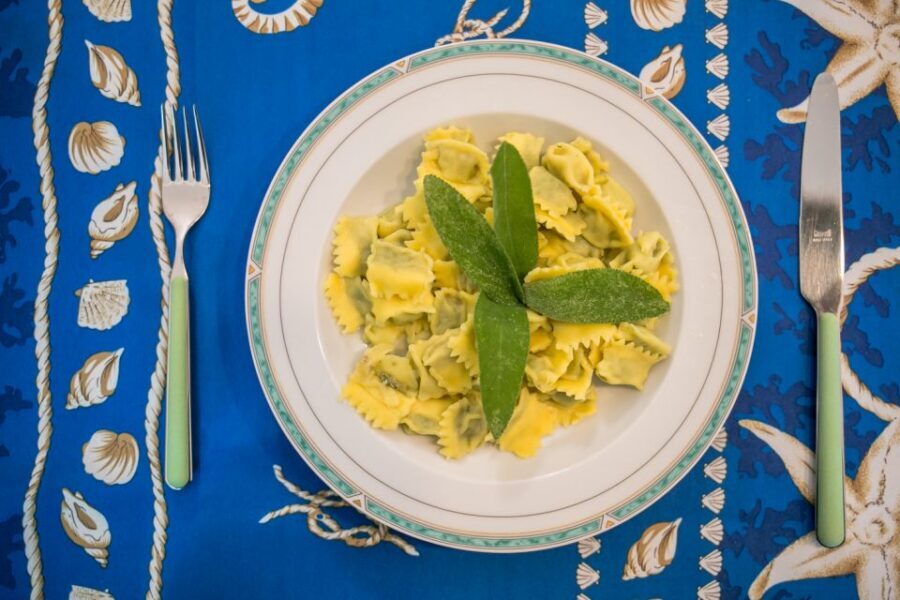
- Make 2 iconic pasta types from scratch with your host
- Learn tiramisu technique and get it right during the lesson timing
- Taste everything you cook with coffee, wine, and water included
Why a Cesarine Home Kitchen Feels Different in Verona
Verona is famous for romance, but the best kind of local experience is practical: getting your hands messy and learning what Italians actually do at home. This class is run through Cesarine, Italy’s home-cook network, where the instructor opens their own kitchen and teaches you like you’re a friend of a friend.
The biggest difference here is the setting. You’re not in a big cooking studio with a screen and a countdown timer. You’re in a real home kitchen, which changes the vibe fast. It also makes the food feel more “yours” by the end, because you’re shaping it, tasting it, and eating it in the same place you made it.
You’ll also notice the host-instructor style matters. In the class feedback you shared, hosts like Michela and Adele come across as warm and generous, with teaching that stays friendly and easy to follow. That matters when you’re learning dough and timing, because pasta needs both technique and patience.
You can also read our reviews of more cooking classes in Verona

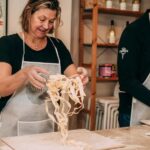
The 3-Hour Flow: Aperitivo, Pasta Making, and Tiramisu Timing
This experience runs about 3 hours, and the timing is built around what home cooks actually do: start with something to drink, then focus on labor-intensive parts while the oven and cooling steps do their job.
Here’s the typical rhythm you should expect:
- You begin with an Italian aperitivo (prosecco plus nibbles). It’s not just a drink. It’s a buffer that helps everyone settle in before flour starts flying.
- Then you move into the pasta portion. The host teaches you to roll fresh pasta dough (sfoglia) by hand, and you’ll make two different pasta types from scratch.
- Next comes tiramisu. A key detail from real class feedback: in at least one group, tiramisu is started early so it has time to set properly before you eat.
That early tiramisu start is more than convenience. Tiramisu is all about structure—cream and layers need time to come together—so rushing it often leads to loose texture. When you learn it with the class schedule, you’re more likely to end up with the version you want on your plate.
Rolling Sfoglia by Hand: The Skill Behind Good Fresh Pasta
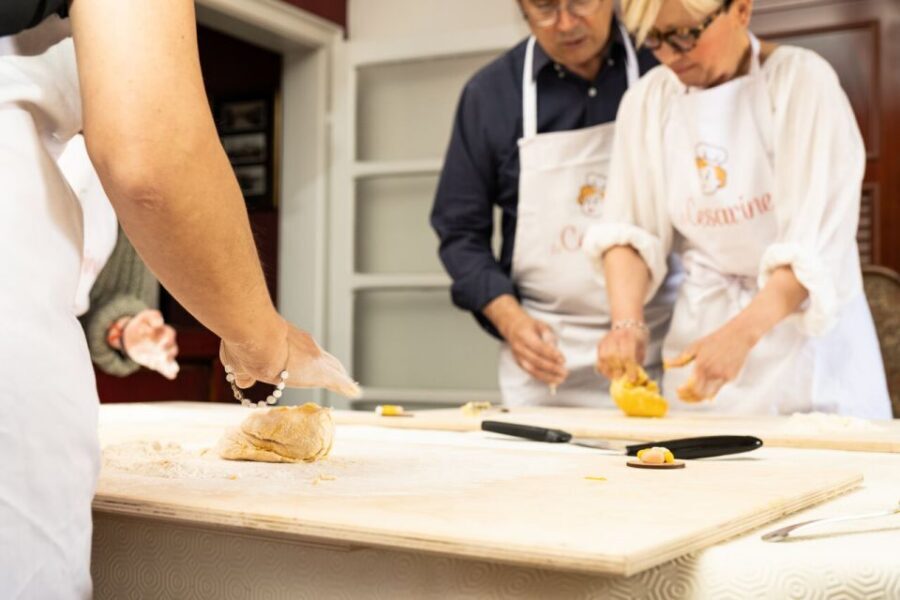
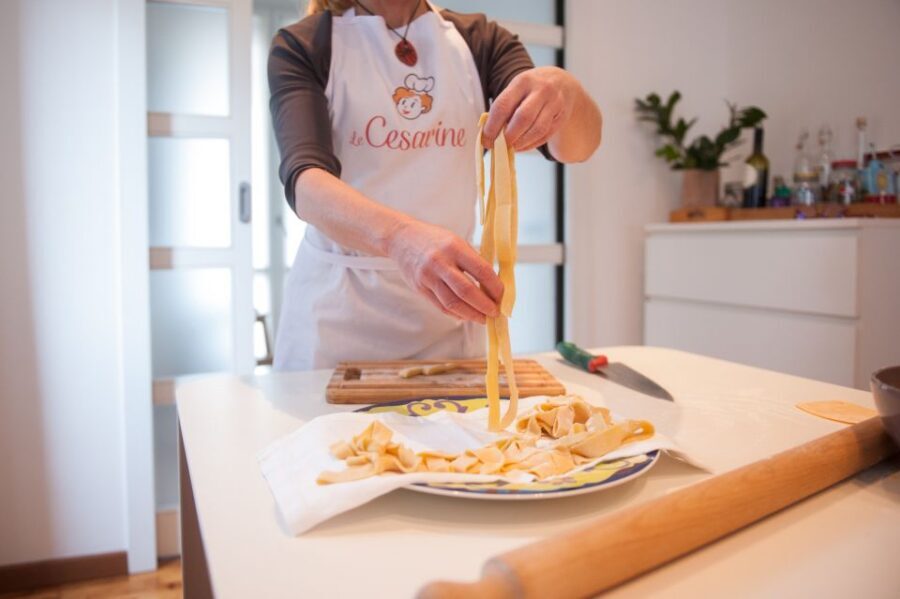
Learning sfoglia is the centerpiece, because once you understand the dough, everything else becomes simpler. “By hand” is the important part: you’re not just following a machine setting and hoping for the best. You’ll practice how fresh dough should stretch, how it should roll out, and how to handle it without tearing.
Fresh pasta dough is sensitive. The host’s job is to guide your hands so you don’t end up with dough that’s too thick, too dry, or uneven. Even if you’ve cooked pasta before, this is different because the dough is a living thing in your hands.
If you like practical lessons, this is a great moment to pay attention. Watch the host’s movements, then copy them deliberately. Your goal isn’t to produce restaurant-perfect pasta on the first try. Your goal is to learn the feel—then you can repeat it later at home.
Also, since you’ll be in English with an Italian instructor, you’ll get the teaching in a way that doesn’t assume you already know the vocabulary. That makes it easier to focus on technique instead of translating everything in your head.
Two Iconic Pastas You’ll Make (And Why That’s Better Than One)
A lot of cooking classes teach one pasta and call it a day. This one teaches two iconic pasta types, which is smart for two reasons.
First, you get variety in your skills. Different shapes need different handling. Second, you get variety in flavor, so your meal feels like a real dinner rather than a single dish with a dessert.
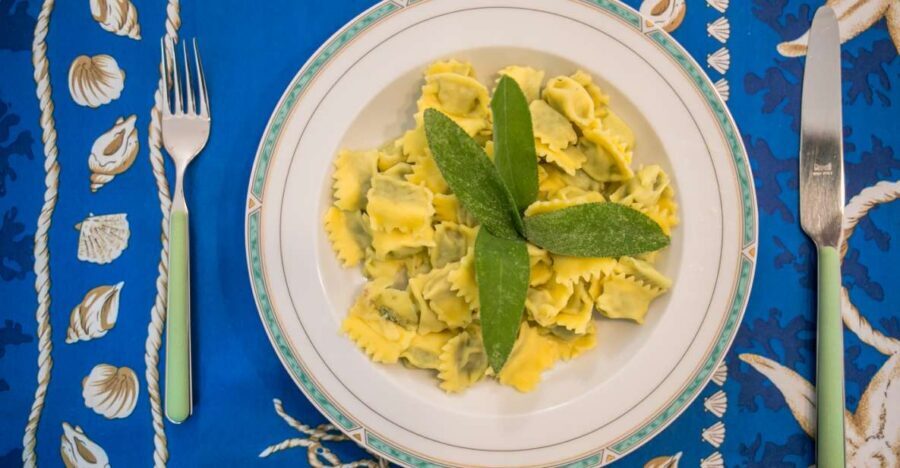
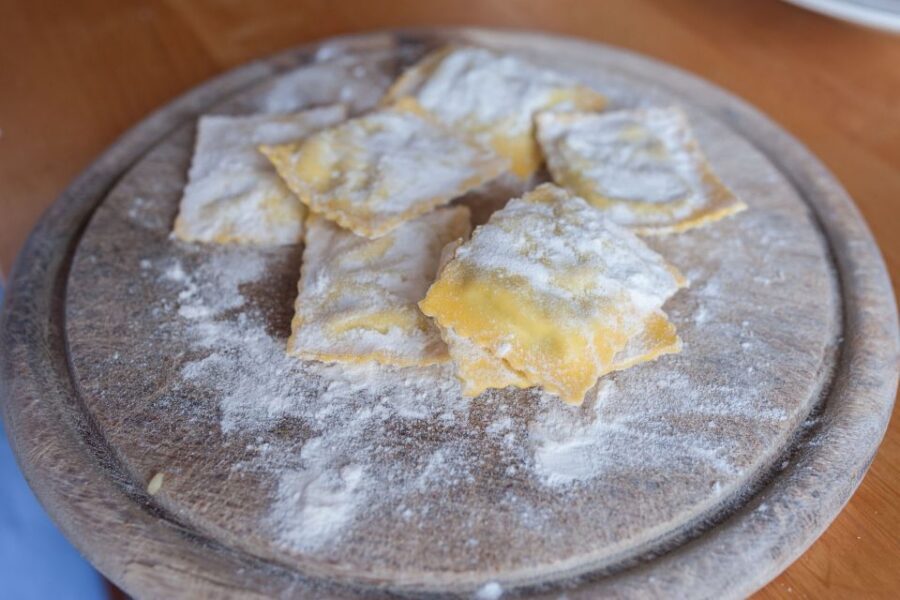
From the class experience described in your info, one instructor, Adele, led a group making ravioli and tagliatelle (spelled Taghatelle in the notes you provided). That’s a very classic pairing: filled pasta for the comfort factor, and ribbon pasta for a clean, sauce-friendly bite.
Even if your exact pasta pair differs by session, the “two types” structure usually means you’ll practice:
- shaping and handling (for a structured pasta like ravioli)
- rolling and cutting (for a ribbon or sheet-based pasta)
And then, crucially, you taste what you cooked. Fresh pasta has a short window when it’s at its best, so eating it during the class helps you understand why Italians are picky about timing.
The Tiramisu Lesson: Getting the Set Right
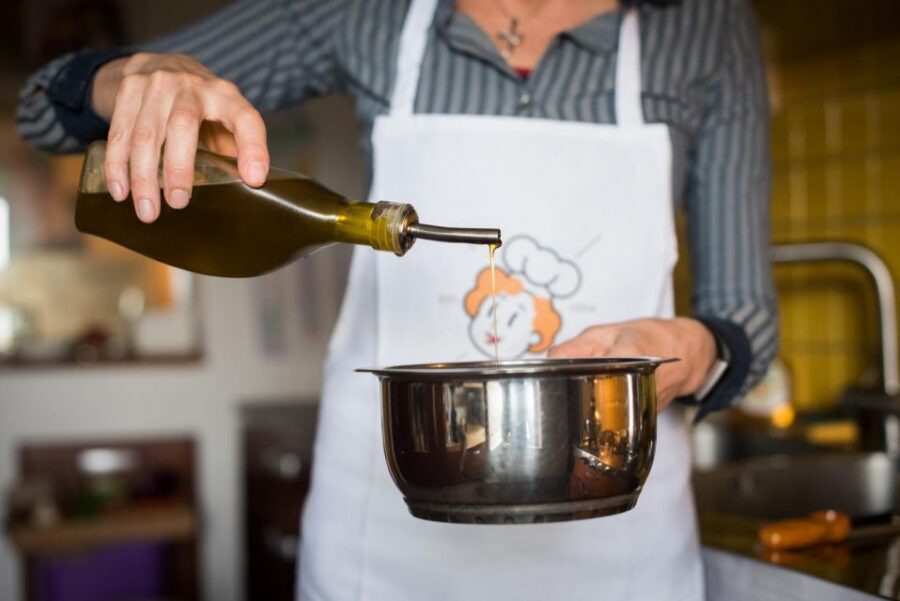
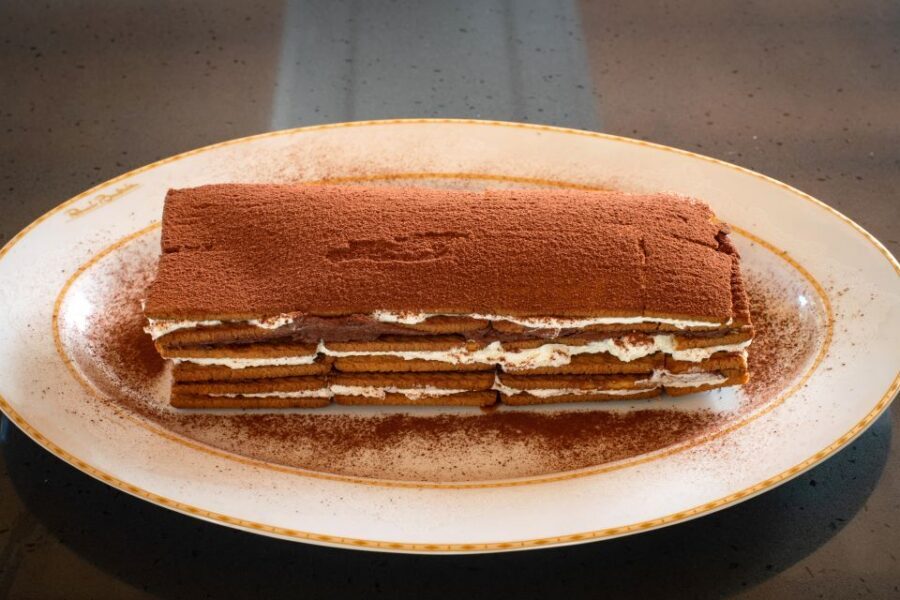
Tiramisu sounds simple, but the details are what separate spoonable cream from dessert soup. This class includes a tiramisu-making session as the finishing star, and the structure of the lesson helps you succeed.
In at least one group, tiramisu was made at the beginning so it could set before tasting. That’s a big deal. If you start late, you’ll still learn the method, but you might not get the final texture right in time. Starting early gives you the best shot at a slice that holds together.
Even without fancy equipment, tiramisu is mostly about layering and chilling time. In a home setting, you can also see how the host approaches consistency and assembly—because that’s where most people struggle when they try to repeat it later.
When you eat your own tiramisu at the end, you’re not just tasting dessert. You’re getting feedback on your technique. You’ll understand instantly what the right cream texture should feel like.
You can also read our reviews of more tours and experiences in Verona





Aperitivo and Drinks: The Part That Makes the Meal Feel Like Italy
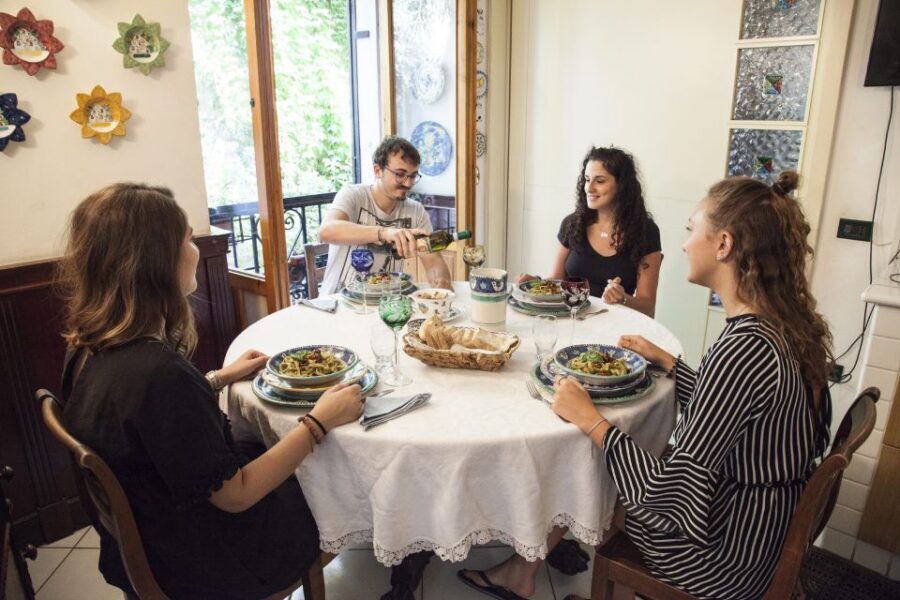
Before you cook, you start with an Italian aperitivo: prosecco and nibbles. This is one of those small details that makes the whole class feel like an evening in Italy rather than a workshop.
During the meal, beverages are included: water, wines, and coffee. That matters because it turns the class into lunch or dinner, not just a tasting plate. Fresh pasta plus wine is a classic pairing, and the coffee at the end rounds out the experience the way Italian meals often do.
Also, these included drinks reduce friction. You don’t have to figure out where to get a glass of wine or hunt down an espresso plan. You just show up and focus on cooking.
What Included Pricing Really Covers (And How It Compares)
The price is $152.93 per person for about 3 hours in a small group (max 12). On paper, it’s not cheap. But when you look at what’s included, the value starts making sense.
You’re paying for:
- hands-on instruction for making two pasta types
- instruction for tiramisu
- ingredients for what you cook and eat
- drinks: prosecco and nibbles, plus water, wines, and coffee
- local taxes
So you’re not just paying for a recipe. You’re paying for time, teaching, and a full meal experience. In places where the lesson is minimal and you only get a small bite, the cost can feel hard to justify. Here, you eat what you make, drink with it, and take home a skill you’ll actually repeat.
If you’re the type who likes to bring one “food memory” home, this is a strong choice. Once you can make sfoglia, you’ll always have a reason to try again.
Group Size and Host Style: Why You’ll Get Better Results
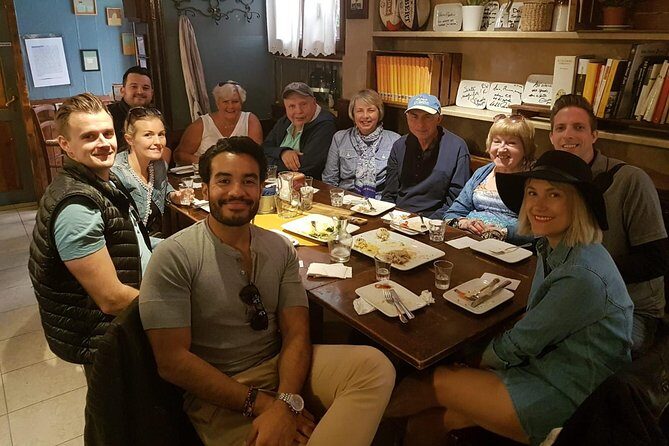
With a maximum of 12 people, this class is small enough for your instructor to notice what’s going wrong. When pasta dough is sticky or tough, you don’t want to wait in line for help.
The names in your info matter because they reflect teaching style. Michela is described as kind and generous with real knowledge and character. Adele is described as sweet, welcoming, and actively involved, including getting kids involved in a way that worked for the group.
That’s the ideal setup: a host who can keep things calm, help you move forward, and still make it feel like a warm home meal rather than a strict school.
If you’re traveling with kids, one of your feedback notes is encouraging: the lesson was made suitable for kids in that group. So if your family enjoys cooking and you don’t mind a little mess, this class can work well.
Logistics: A Local Home Means Both Charm and a Little Uncertainty
This experience takes place in a local’s home, and for privacy reasons, you only receive the full address after you book. That’s common for home-based food experiences, but it’s worth planning for.
The practical takeaway is simple: be ready to wait for the final address and make sure you can arrive on time once it lands. Since the lesson is only 3 hours, lateness cuts into hands-on time.
Also, it’s not suitable for wheelchair users, so if accessibility is a concern, you’ll want to check alternatives.
If you’re comfortable with city navigation and you like the idea of “someone is expecting me at their home,” this format is part of the charm.
Who This Class Is Best For (And Who Might Skip It)
This class is a great match if you want:
- a hands-on pasta skill you can repeat later
- a dessert win with real technique (tiramisu)
- a small-group experience with a host who actually teaches, not just presents
- an evening that includes food and drinks without extra planning
You might consider skipping it if:
- you hate close-quarters cooking setups in small groups
- you’re looking for lots of sightseeing or city walking (this is a kitchen-focused experience)
In other words, this is for people who like food as a form of travel, not just food as a souvenir.
Should You Book This Verona Pasta and Tiramisu Class?
I’d book it if you want the most practical kind of Verona memory: learning how to make fresh pasta and tiramisu, then eating it while the experience is still happening. The small-group size, the sfoglia rolling instruction, and the fact that you make two pastas plus tiramisu all point to real value, especially because drinks and taxes are included.
It’s also a strong choice if you like a warm host vibe. Your provided details highlight hosts like Michela and Adele as generous and involved, which usually means you’ll leave confident rather than confused.
If you want a structured, kitchen-based evening with real skills and a full meal, this is an easy yes.
FAQ
How long is the cooking class?
It lasts about 3 hours.
How big is the group?
The class is small-group, with a maximum of 12 people.
What will I learn to cook?
You’ll learn how to roll fresh pasta dough (sfoglia) by hand, make 2 iconic pasta types from scratch, and make the iconic tiramisu.
What’s included with the class?
The experience includes water, wines and coffee, an Italian aperitivo with prosecco and nibbles, local taxes, and tasting of the 2 pasta recipes and tiramisu.
Where does it take place?
It’s held in a local’s home. For privacy reasons, you only receive the full address after you book.
Is it wheelchair accessible?
No, it is not suitable for wheelchair users.